
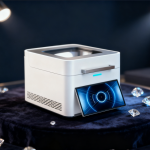
 Xrf Gold Analyzer
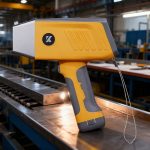 Handheld Alloy Analyzer
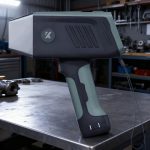 Handheld Mining Analyzer
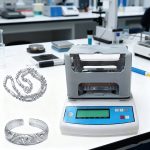 Other XRF Analyzer
How To Judge If A Gold Testing Machine Is Highly Accurate?
Many jewelry store owners and gold traders face the frustrating consequence of investing in gold testing machines that fail to deliver reliable results. A machine with poor accuracy can lead to overpaying for impure gold, missing counterfeits, or losing customer trust due to incorrect purity assessments. Accurate gold testing machines serve as the backbone of profitable and trustworthy gold-related businesses, making the ability to judge their precision a critical skill. This article breaks down actionable, step-by-step methods to evaluate gold testing machine accuracy, covering technical parameters, practical verification, third-party certifications, and real-world performance—all designed to help you avoid costly mistakes and choose a machine that meets your business needs.
Start With Gold Testing Machine Technical Parameters: The Foundation Of Accuracy
Technical parameters directly determine a gold testing machine’s ability to measure gold purity precisely. Ignoring these specs often leads to purchasing machines that underperform in real-world scenarios. Focus on key hardware and software features that directly impact accuracy.
Evaluate Gold Testing Machine Sensor Quality And Type
Sensors act as the “eyes” of a gold testing machine, and their quality dictates how well the machine detects elemental composition.
Prioritize XRF Sensors For High-Precision Gold Testing Machines
X-ray fluorescence (XRF) sensors remain the gold standard for non-destructive gold testing, as they penetrate the metal’s surface to analyze elemental makeup. High-quality XRF sensors from reputable manufacturers (e.g., Si-PIN or SDD detectors) can measure purity with an error margin of less than ±0.1%, while low-quality sensors may have errors exceeding ±5%.
Avoid Low-Cost Sensors That Compromise Gold Testing Accuracy
Cheaper machines often use basic semiconductor sensors that struggle to distinguish between similar metals (e.g., gold and tungsten) or detect trace impurities. For example, a machine with a low-grade sensor might misclassify 14K gold (58.3% pure) as 18K (75% pure) due to its inability to resolve small differences in elemental composition. Always ask manufacturers for sensor specifications, including detection range and resolution.

Check Gold Testing Machine Elemental Detection Range
Gold purity testing requires the machine to identify not just gold (Au) but also common alloy metals (e.g., silver, copper, nickel) and potential contaminants (e.g., tungsten, lead).
Ensure Coverage Of Key Alloy Metals For Gold Testing Accuracy
Highly accurate machines detect a wide range of elements—typically 70+ elements—including all metals commonly mixed with gold. This ensures the machine can calculate purity correctly, even for custom alloys. For instance, if a customer brings in a gold-copper-silver alloy, the machine must identify all three elements to determine the exact gold percentage.
Verify Detection Of Counterfeit-Related Contaminants
Counterfeiters often use metals like tungsten (similar density to gold) or lead to create fake gold items. Accurate gold testing machines must detect these contaminants at trace levels (as low as 0.01%). A machine that fails to detect tungsten in a gold-plated tungsten bar will leave your business vulnerable to costly counterfeits.
Assess Gold Testing Machine Resolution And Measurement Speed
Resolution refers to the machine’s ability to distinguish between small differences in purity, while speed impacts efficiency without sacrificing accuracy.
Look For High Resolution To Differentiate Similar Purity Grades
A machine with high resolution (e.g., 0.01% purity increments) can tell the difference between 18K (75.00% pure) and 18K+ (75.50% pure), a critical detail for pricing and inventory management. Low-resolution machines (e.g., 1% increments) may round up or down, leading to incorrect valuations.
Balance Speed With Gold Testing Accuracy
Fast testing (3-10 seconds per sample) is essential for busy stores, but it should not come at the cost of precision. Some cheap machines prioritize speed by skipping detailed elemental analysis, resulting in inaccurate results. Look for machines that maintain ±0.1% accuracy even at maximum testing speed.

Verify Gold Testing Machine Calibration And Traceability: Non-Negotiable For Accuracy
Calibration ensures a gold testing machine’s results align with international standards. Without proper calibration, even the best hardware will produce unreliable data.
Demand Valid Calibration Certificates For Gold Testing Machines
Calibration certificates prove the machine has been tested against known standards and adjusted for accuracy.
Check For Accredited Calibration Bodies On Gold Testing Certificates
Reputable calibration must be performed by ISO 17025-accredited laboratories. These certificates include details like calibration date, expiration date, error margins, and traceability to national or international standards (e.g., NIST in the U.S., BIPM globally). A machine without an accredited certificate is essentially unproven.
Confirm Calibration Covers Relevant Gold Purity Ranges
Calibration should include tests across the purity ranges you commonly encounter (e.g., 10K to 24K for jewelry, 99.9% to 99.99% for investment gold). A machine calibrated only for 24K gold will perform poorly when testing 14K or 18K alloys, leading to significant errors.
Evaluate Gold Testing Machine Calibration Frequency And Ease
Regular calibration maintains accuracy over time, as sensors degrade with use and environmental factors (e.g., temperature, humidity) impact performance.
Choose Gold Testing Machines With User-Calibratable Features
High-quality machines allow users to perform routine calibration with standard reference materials (SRMs) purchased from accredited suppliers. This eliminates the need for frequent, costly professional calibrations and ensures the machine stays accurate between service visits.
Avoid Machines That Require Specialized Technicians For Calibration
Machines that only trained technicians can calibrate lead to downtime and extra expenses. Look for intuitive calibration processes with clear instructions, so your staff can perform monthly or quarterly checks to maintain gold testing accuracy.
Verify Traceability Of Gold Testing Machine Reference Standards
Traceability ensures the reference materials used for calibration are linked to global standards, guaranteeing consistent, reliable results.
Use NIST-Traceable Or ISO-Certified Reference Materials
When testing a machine’s accuracy, use gold reference standards with traceable certifications. For example, a NIST-traceable 18K gold sample has a known purity of 75.00% ±0.01%, allowing you to compare the machine’s reading against a trusted benchmark.
Reject Machines That Cannot Validate Against Reference Standards
A machine that consistently deviates from traceable reference materials (e.g., reading 74.5% for a 75.0% standard) is inaccurate and should be avoided. Ask manufacturers to demonstrate the machine’s performance with your own reference samples before purchasing.
Conduct Practical Gold Testing Machine Accuracy Verification: Real-World Performance
Technical specs and calibration certificates provide a foundation, but real-world testing reveals a machine’s true accuracy. Perform these hands-on checks to validate performance.
Test Gold Testing Machine Accuracy With Standard Gold Samples
Standard samples with known purity allow you to measure the machine’s error margin directly.
Prepare A Range Of Gold Purity Standards For Testing
Gather samples covering the purity grades you handle most (e.g., 10K, 14K, 18K, 22K, 24K) and ensure each has a traceable purity certificate. For example, use a 14K (58.33% pure) sample, an 18K (75.00% sample), and a 24K (99.99% sample) to test the machine’s performance across different ranges.
Compare Gold Testing Machine Readings To Known Purity
Run each sample through the machine 3-5 times and calculate the average reading. A highly accurate machine will have an average error of less than ±0.2%. For instance, a 24K sample should read between 99.79% and 100.19% consistently. If the average reading is 99.5% (error of 0.49%), the machine lacks the precision needed for critical transactions.
Evaluate Gold Testing Machine Accuracy With Mixed Alloy Samples
Gold items rarely consist of pure gold plus one alloy—most include multiple metals (e.g., gold-copper-silver-nickel), which can challenge less accurate machines.
Test Complex Alloys To Assess Gold Testing Machine Versatility
Use a sample of 18K white gold (gold-palladium-nickel) or rose gold (gold-copper) to see if the machine can correctly identify all elements and calculate purity. Cheap machines may misinterpret palladium or copper as gold, inflating the purity reading.
Check For Consistency In Alloy Composition Analysis
A reliable machine will display consistent elemental breakdowns across repeated tests. For example, a rose gold sample should show 75% gold, 20% copper, and 5% silver every time. Inconsistent elemental readings indicate poor sensor quality or software instability.
Assess Gold Testing Machine Repeatability And Reproducibility
Repeatability (consistent results for the same sample) and reproducibility (consistent results across different users or times) are key indicators of accuracy.
Run Multiple Tests On The Same Gold Sample
Test the same sample 10 times in a row and check for variance. A highly accurate machine will have a standard deviation of less than ±0.05%. For example, 10 readings of a 18K sample should range between 74.95% and 75.05% with minimal fluctuation.
Have Different Users Operate The Gold Testing Machine
Ask multiple staff members to test the same sample to ensure results don’t depend on the operator. Accurate machines have user-friendly interfaces that minimize human error, producing consistent results regardless of who performs the test.

Check Gold Testing Machine Third-Party Certifications And Compliance
Third-party certifications validate a machine’s accuracy against independent standards, providing an extra layer of trust.
Verify Gold Testing Machine Compliance With ISO Standards
ISO standards set global benchmarks for accuracy, reliability, and safety in gold testing equipment.
Look For ISO 9202 Certification For Gold Purity Testing
ISO 9202 specifies methods for determining gold purity, and machines certified to this standard have been rigorously tested for accuracy. This certification ensures the machine meets international requirements for jewelry and precious metals testing.
Confirm ISO 17025 Accreditation For Gold Testing Laboratories
If the manufacturer’s calibration lab holds ISO 17025 accreditation, it means their calibration processes meet strict quality standards. This accreditation is a strong indicator of the machine’s long-term accuracy and reliability.
Check Industry-Specific Certifications For Gold Testing Machines
Different regions and industries have additional standards that accurate machines must meet.
Comply With Regional Standards (e.g., FDA, CE)
For example, machines sold in the U.S. should meet FDA requirements for XRF devices (if applicable), while those sold in the EU must carry the CE mark, indicating compliance with health, safety, and environmental standards. These certifications ensure the machine is not only accurate but also safe to use.
Validate Compliance With Jewelry Industry Associations
Organizations like the World Gold Council (WGC) or the Jewelers of America (JA) may endorse certain gold testing machines for their accuracy. Endorsements from industry leaders add credibility and confirm the machine’s suitability for professional use.
Review Gold Testing Machine Performance Reports From Independent Labs
Independent lab tests provide unbiased data on a machine’s accuracy, helping you avoid manufacturer hype.
Request Third-Party Test Reports From Manufacturers
Reputable manufacturers will provide reports from independent labs that detail the machine’s error margins, detection limits, and performance across different samples. Look for labs with no ties to the manufacturer to ensure objectivity.
Reject Machines Without Verifiable Third-Party Data
A manufacturer that cannot produce independent test reports is likely hiding poor performance. Always verify third-party data by checking the lab’s accreditation and cross-referencing results with other users’ experiences.
Evaluate Gold Testing Machine Environmental Adaptability: Accuracy In Real-World Conditions
Gold testing machines operate in varying environments (e.g., humid stores, cold warehouses), and accurate machines maintain performance regardless of conditions.
Test Gold Testing Machine Accuracy Across Temperature And Humidity Ranges
Temperature and humidity affect sensor performance, so a machine’s accuracy must remain consistent in your typical working environment.
Conduct Tests In Low And High Humidity Conditions
Most jewelry stores operate at 30-60% humidity. Test the machine at 20% (dry) and 70% (humid) humidity to see if readings change. A highly accurate machine will maintain ±0.1% error margin across this range, while a poorly designed machine may show errors of 0.5% or more in extreme humidity.
Check Performance In Temperature Fluctuations
Test the machine at 15°C (59°F) and 30°C (86°F) to simulate seasonal changes or air-conditioned vs. non-air-conditioned spaces. Accurate machines use temperature-compensated sensors that adjust for environmental changes, ensuring consistent results.
Assess Gold Testing Machine Resistance To External Interference
External metals or electromagnetic fields can disrupt sensor readings, leading to inaccurate results.
Test Gold Testing Machine Accuracy Near Other Metals
Place the machine near common metals (e.g., steel shelves, aluminum tools) and test a standard gold sample. An accurate machine will ignore external metals and produce the same reading as when tested in an isolated area. A machine that shows a 0.3% purity increase when near steel is prone to interference and unsuitable for busy stores.
Verify Immunity To Electromagnetic Interference (EMI)
Electronics like computers, cash registers, or fluorescent lights can emit EMI that disrupts sensors. Test the machine near these devices to ensure readings remain consistent. Machines with shielded sensors are more resistant to EMI and maintain accuracy in busy retail environments.
Evaluate Gold Testing Machine Adaptability To Different Sample Forms
Gold items come in various shapes (e.g., bars, coins, jewelry) and surface conditions (e.g., polished, tarnished), and accurate machines must handle all forms.
Test Gold Testing Machine On Tarnished Or Oxidized Samples
Tarnish (oxidation) on gold items can block sensor signals. An accurate machine will penetrate tarnish to analyze the underlying metal, while a low-quality machine may mistake tarnish for impurities, producing low purity readings.
Check Performance On Irregularly Shaped Or Thin Samples
Thin gold sheets (e.g., 0.1mm thick) or irregularly shaped jewelry (e.g., intricate pendants) can challenge sensors. Test these samples to ensure the machine provides accurate readings, even when the sample doesn’t fully cover the sensor window.
Research Gold Testing Machine User Feedback And Brand Reputation
User experiences and brand reputation reveal long-term accuracy and reliability, which technical specs alone cannot.
Read Reviews From Professional Gold Testing Machine Users
Reviews from jewelry store owners, gold traders, and pawnbrokers provide real-world insights into a machine’s accuracy.
Focus On Long-Term Accuracy Feedback For Gold Testing Machines
Look for reviews from users who have owned the machine for 6+ months. Comments like “still accurate after a year of daily use” or “calibration holds up well” indicate a reliable machine, while reviews citing “drifting readings after 3 months” warn of poor quality.
Pay Attention To Common Complaints About Gold Testing Accuracy
Frequent complaints about inconsistent readings, failure to detect counterfeits, or large error margins are red flags. For example, if multiple users report the machine misclassifies 14K gold as 16K, the machine is not accurate enough for professional use.
Evaluate Gold Testing Machine Brand Expertise And Support
Brands with a history of producing precision instruments are more likely to deliver accurate gold testing machines.
Choose Brands Specializing In Precious Metal Testing
Brands that focus on gold and silver testing (rather than general metal detection) invest more in sensor technology and calibration, resulting in higher accuracy. Avoid brands that produce a wide range of unrelated products, as their gold testing machines are often afterthoughts.
Assess Post-Purchase Support For Gold Testing Machines
Accurate machines require ongoing support, including calibration services, replacement parts, and technical assistance. Choose brands with responsive customer support and local service centers to address accuracy issues quickly. A brand that takes weeks to respond to calibration questions will leave your business vulnerable to errors.
Seek Recommendations From Industry Peers For Accurate Gold Testing Machines
Word-of-mouth recommendations from fellow jewelry professionals are invaluable for identifying accurate machines.
Ask Colleagues About Their Gold Testing Machine Experiences
Reach out to other store owners or traders and ask which machines they trust for accuracy. Most professionals will share their experiences with both reliable and unreliable models, helping you narrow down your options.
Join Industry Forums To Discuss Gold Testing Machine Accuracy
Forums like the Jewelers’ Circular Keystone (JCK) forum or LinkedIn groups for jewelry professionals often feature discussions about gold testing machines. These platforms allow you to ask specific questions about accuracy and get unbiased answers from experienced users.
Avoid Common Mistakes When Judging Gold Testing Machine Accuracy
Many buyers fall for misleading claims or overlook critical factors, leading to the purchase of inaccurate machines.
Don’t Rely Solely On Manufacturer’s Accuracy Claims
Manufacturers often exaggerate accuracy in marketing materials, so verify claims with independent data.
Cross-Reference Manufacturer Claims With Third-Party Tests
If a manufacturer claims “±0.05% accuracy,” ask for third-party test reports that prove this. A claim without supporting data is likely false, and the actual accuracy may be 10x higher.
Be Skeptical Of “Too Good To Be True” Accuracy Claims
A machine priced at $500 that claims “0.01% accuracy” is unrealistic—high-precision XRF machines cost at least $3,000. Cheap machines with extreme accuracy claims are almost always inaccurate and should be avoided.
Don’t Ignore Gold Testing Machine Software And Firmware Updates
Software plays a critical role in data analysis, and outdated firmware can degrade accuracy over time.
Choose Machines With Regular Software Updates
Manufacturers that release regular firmware updates fix bugs, improve sensor calibration, and enhance accuracy. A machine with no software update support will become less accurate as new counterfeiting techniques emerge.
Test Gold Testing Machine Software For User-Friendly Data Analysis
Accurate machines provide detailed data (elemental composition, purity percentage, error margin) in an easy-to-understand format. Avoid machines with vague or confusing software that makes it hard to verify results.
Don’t Sacrifice Gold Testing Machine Accuracy For Price
While budget is important, choosing a cheap, inaccurate machine will cost more in the long run due to lost revenue and counterfeit losses.
Calculate The Cost Of Inaccuracy For Your Business
For example, if you process $100,000 in gold recycling annually, a machine with 0.5% accuracy error could cost you $500 per year in overpayments. Investing in a $5,000 accurate machine will pay for itself in 10 years, while a $1,000 inaccurate machine will cost you thousands in losses.
Prioritize Long-Term Value Over Short-Term Savings
Look for machines with a proven track record of accuracy and durability, even if they cost more upfront. The cheapest machine is rarely the best value when accuracy directly impacts your bottom line.
Conclusion: Master The Art Of Judging Gold Testing Machine Accuracy
Judging the accuracy of a gold testing machine requires a combination of technical knowledge, practical testing, and research. By focusing on sensor quality, calibration, real-world performance, third-party certifications, environmental adaptability, and user feedback, you can identify a machine that delivers reliable results.
Accurate gold testing machines are not just tools—they are investments that protect your business from counterfeits, reduce financial losses, and build customer trust. Cutting corners on accuracy will lead to costly mistakes, while investing in a precise machine will pay dividends through consistent, profitable transactions.
Whether you’re a small jewelry store or a large gold trading company, the ability to judge gold testing machine accuracy is essential for success. Follow the steps outlined in this article to make an informed decision, and remember: when it comes to gold testing, accuracy is non-negotiable. Choose wisely, and your machine will serve as a trusted partner in growing your business for years to come.
Many jewelry store owners and gold traders face the frustrating consequence of investing in gold testing machines that fail to deliver reliable results. A machine with poor accuracy can lead to overpaying for impure gold, missing counterfeits, or losing customer trust due to incorrect purity assessments. Accurate gold testing machines serve as the backbone of […]
Tags:
avoid inaccurate gold tester / commercial gold tester accuracy / counterfeit gold detection / gold alloy testing precision / gold purity test accuracy / gold tester environmental adaptability / gold tester precision / gold testing machine accuracy / gold testing machine calibration / gold testing machine reviews / gold testing reference sample / gold testing repeatability / gold testing sensor quality / NIST-traceable gold testing / XRF gold tester accuracy