
 Xrf Gold Analyzer
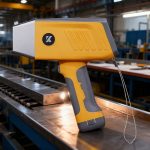 Handheld Alloy Analyzer
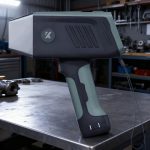 Handheld Mining Analyzer
 Other XRF Analyzer
Battery vs. Corded XRF Analyzers: Power Management for Busy Counters

Choosing between mobility and continuous power
Modern pawnshops and gold buyers must decide between the portability of battery-operated handheld XRF units and the high-duty-cycle performance of corded desktop analyzers. While the WMK1000 series offers the flexibility to test items “in the field” or at a customer’s home, the WMK800 desktop model provides the voltage stability required for 12-hour shifts in a busy retail environment. Understanding the power management nuances of each is key to maintaining 99.9% uptime.
The primary difference lies in voltage regulation. A battery’s output voltage drops as it nears depletion, which can affect the X-ray tube’s intensity if not properly managed. WiserMachine handhelds use advanced step-up converters to maintain a constant 50kV output, but the “cleanest” signal is always obtained when the unit is fully charged or plugged into a filtered power source. For more on equipment selection, see our Ultimate Guide for Pawnshops.
Best practices for battery and corded units
To maximize the lifespan of your Li-ion batteries and ensure the stability of your desktop power supply, follow these management tips.
- Battery Cycle Management: For handhelds, avoid “deep discharging” to 0%. Recharging when the battery hits 20% can extend the overall battery life by up to 300 cycles.
- Voltage Stabilization: For corded units, always use a high-quality surge protector or an Uninterruptible Power Supply (UPS). Power spikes are the #1 cause of X-ray tube failure.
- Sleep Mode Optimization: Configure your analyzer to enter “Sleep” after 5 minutes of inactivity to save power while keeping the detector at its optimal operating temperature.
- Backup Battery Protocol: Always keep a second, fully charged battery on hand. A dead battery during a 10oz gold buy can cost you a profitable deal.
Maximizing duty cycles in high-volume shops
In shops processing over 50 scans per day, heat management becomes a subset of power management. Continuous “beam-on” time generates internal heat. For corded desktop units, the internal cooling system is designed for high duty cycles, but it’s still good practice to allow the unit a 2-minute “rest” for every 15 minutes of continuous scanning. This prevents thermal stress on the WMK600’s sensitive internal components.
By following these power management best practices, you can ensure your XRF is always ready when the next big buy walks through the door. Reliable power equals reliable data. For more information on the technical differences between our models, visit our product comparison page.
Choosing between mobility and continuous power Modern pawnshops and gold buyers must decide between the portability of battery-operated handheld XRF units and the high-duty-cycle performance of corded desktop analyzers. While the WMK1000 series offers the flexibility to test items “in the field” or at a customer’s home, the WMK800 desktop model provides the voltage stability […]