
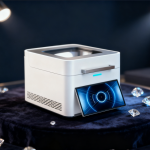
 Xrf Gold Analyzer
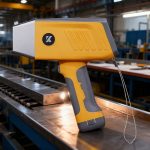 Handheld Alloy Analyzer
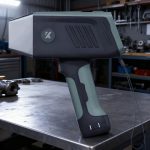 Handheld Mining Analyzer
 Other XRF Analyzer
Gold Tester: How To Distinguish Destructive & Non-Destructive Types
Gold testing stands as a critical step in industries ranging from jewelry retail to mining and archaeological research. The choice between a destructive and non-destructive gold tester directly impacts sample value, testing costs, and operational efficiency. Destructive gold testers deliver unmatched precision but sacrifice the integrity of the gold sample. Non-destructive gold testers, by contrast, preserve the item while providing reliable results for most practical needs. Misidentifying these two types can lead to catastrophic losses—such as ruining a vintage gold necklace or wasting resources on unnecessary ore processing. This guide breaks down six core dimensions to help you distinguish between destructive and non-destructive gold testers, paired with real-world examples and tailored selection advice for every scenario.
Whether you’re a pawnbroker verifying a customer’s heirloom, a geologist analyzing ore samples, or a collector authenticating antique gold coins, understanding the difference between these testers ensures you protect both your assets and your reputation. We’ll start with foundational definitions, move to actionable辨别 (distinguishing) techniques, address common misconceptions, and end with industry-specific recommendations to make your gold testing process foolproof.
1. Foundational Knowledge: Core Definitions Of Destructive And Non-Destructive Gold Testers
To accurately distinguish between the two gold tester types, you must first grasp their fundamental difference: whether they cause irreversible physical or chemical damage to the gold sample. This damage extends beyond surface scratches—it includes changes to composition, weight loss, or complete structural breakdown. Each type operates on distinct technical principles and serves entirely separate use cases.
1.1 Non-Destructive Gold Tester: Purity Analysis Without Sample Harm
Non-destructive gold testers analyze gold composition using contact-free or minimal-contact methods. They leave the sample’s appearance, weight, and structure identical to its pre-test state. This characteristic makes them indispensable for industries where the gold item’s value lies in its physical form—such as finished jewelry, cultural artifacts, or collectible coins.

1.1.1 Key Technologies And Core Features
The most widely used non-destructive gold testing technologies include X-ray Fluorescence (XRF), electrical conductivity testing, and density measurement. XRF gold testers dominate the market for their balance of speed and accuracy. They work by emitting low-energy X-rays that excite the elements in the gold sample; the resulting fluorescent radiation reveals the exact elemental composition and purity. These devices typically weigh between 0.5 to 3 kilograms, feature intuitive touchscreens, and deliver results in 3 to 10 seconds. Most display purity in both karats (e.g., 14K, 24K) and percentage (e.g., 58.3%, 99.9%).
Conductivity testers, a more affordable option, measure how well the gold conducts electricity—pure gold has a consistent conductivity level, so deviations indicate alloying metals. Density testers calculate purity by comparing the sample’s weight in air to its weight in water, leveraging gold’s known density (19.3 g/cm³). Both methods avoid damaging the sample but offer slightly lower precision than XRF.
1.1.2 Real-World Application Example
A high-end jewelry boutique in Paris relies on handheld XRF gold testers for daily customer interactions. When a bride-to-be brings in her grandmother’s 1920s gold engagement ring for verification, the staff simply holds the tester’s probe 5 millimeters from the ring’s band. Within 5 seconds, the screen displays “18K Gold (75% Pure) – Trace Silver: 20%, Copper: 5%.” The ring’s intricate filigree and diamond setting remain untouched, and the customer gains confidence in the piece’s value. This scenario highlights why non-destructive gold testers are the standard for retail and典当 (pawnshop) environments.
1.2 Destructive Gold Tester: Precision At The Cost Of Sample Integrity
Destructive gold testers require physical or chemical alteration of the sample to extract and analyze its pure gold content. They achieve higher precision than non-destructive models but render the original sample unrecognizable or useless for its intended purpose. These testers excel in industries where the gold exists as a raw material, not a finished product—such as mining, gold refining, or electronic waste recycling.
1.2.1 Key Technologies And Core Features
Fire assay, chemical titration, and Atomic Absorption Spectroscopy (AAS) represent the most common destructive gold testing methods. Fire assay, the oldest and most trusted technique, involves mixing the gold sample with lead, borax, and silica flux. The mixture is heated to 1,200°C in a crucible, where the lead absorbs the gold and separates from impurities. After cooling, the lead-gold bead undergoes “cupellation” (heating in a porous cup) to remove the lead, leaving only pure gold. The gold’s weight, compared to the original sample, gives the purity percentage.
Chemical titration uses strong acids (like aqua regia) to dissolve the sample. A reagent is added to the solution, and the resulting chemical reaction indicates the gold concentration. AAS employs flame or graphite furnace heating to atomize the sample, then measures the absorption of light to quantify gold content. All these methods require specialized lab equipment, take 30 minutes to 2 hours per test, and produce detailed reports of trace impurities.
1.2.2 Real-World Application Example
A gold mine in Western Australia uses fire assay gold testers to evaluate ore quality before sending it to the smelter. Geologists collect 100-gram ore samples from different mining zones and crush them into fine powder. Technicians mix the powder with flux and lead, then heat it in a high-temperature furnace. The resulting pure gold bead weighs 0.35 grams, translating to a “3.5 grams per ton” ore grade. This data tells the mine which zones are profitable to mine and which should be abandoned. Since the ore is raw material, its destruction during testing has no impact on subsequent processing.
2. Core Distinguishing Dimensions: 6 Foolproof Techniques To Tell Them Apart
You don’t need a background in metallurgy to distinguish between destructive and non-destructive gold testers. By observing six key aspects—from testing principles to equipment design—you can make an accurate判断 (judgment) in minutes. These techniques cover the entire testing process, from pre-test preparation to post-test sample condition.
2.1 Dimension 1: Testing Principle – Contact And Alteration
The underlying science of the gold tester reveals its type immediately. Non-destructive testers rely on “observation without intervention,” while destructive testers depend on “sample manipulation to extract data.”
2.1.1 Non-Destructive Testers: Spectral Or Physical Property Analysis
These devices analyze the gold without penetrating or altering its structure. XRF testers use radiation to interact with the sample’s atoms—no physical contact is needed. Conductivity testers touch the sample’s surface but only pass a low electrical current, leaving no marks. Density testers require submerging the sample in water but cause no chemical or physical damage.
To verify, ask the tester’s supplier: “Does this device require changing the sample’s form or composition?” A “no” answer, paired with terms like “spectral analysis,” “non-contact,” or “physical property measurement,” confirms a non-destructive gold tester.
2.1.2 Destructive Testers: Sample Processing For Component Extraction
Destructive testing only works if the sample is altered. Fire assay requires melting; chemical titration needs dissolving; AAS demands atomization. Even “minimally destructive” methods like drill sampling leave permanent holes in the sample. If the testing process includes steps like “cutting a piece of the sample,” “adding chemical reagents,” or “heating to melting point,” it is undoubtedly a destructive gold tester.

2.2 Dimension 2: Sample Impact – Post-Test Condition
The state of the gold sample after testing is the most直观 (intuitive) distinguishing factor. This dimension directly addresses the user’s biggest concern: whether the item retains its value after analysis.
2.2.1 Non-Destructive Testers: Zero Change To Value Or Appearance
After testing with a non-destructive gold tester, the sample looks, weighs, and functions exactly as it did before. A vintage gold watch will still keep time; a镶嵌 (inlaid) gold bracelet will have no loose stones; a gold coin will retain its mint mark and luster. The Shanghai Museum uses high-resolution XRF gold testers to analyze Tang Dynasty gold artifacts. These artifacts, some over 1,300 years old, show no signs of damage after testing—preserving their historical and artistic value.
2.2.2 Destructive Testers: Irreversible Damage Or Loss
Destructive testing leaves clear, permanent changes. Fire assay reduces a gold bar to a tiny gold bead; chemical titration creates pitting on the sample’s surface; drill sampling removes a chunk of the item. A gold recycling shop in London once made a costly mistake by using a destructive drill tester on a customer’s antique gold locket. The drill hole ruined the locket’s sentimental value, leading to a lawsuit and reputational damage. This incident underscores why sample impact must be a primary consideration.
2.3 Dimension 3: Operation Process – Complexity And Preparation
The effort required to operate the gold tester and prepare the sample varies drastically between the two types. This difference reflects their technical complexity and intended use environment.
2.3.1 Non-Destructive Testers: Simple Operation, No Special Preparation
Most non-destructive gold testers require only basic training—staff can master them in 15 minutes or less. Preparation involves nothing more than wiping the sample with alcohol to remove dirt or oil. For handheld XRF testers, you simply turn on the device, select the “gold testing” mode, and hold the probe near the sample. Results appear instantly on the screen. Pawnshops in New York rely on this simplicity to process dozens of gold items daily, keeping customer wait times under 5 minutes.
2.3.2 Destructive Testers: Complex Preparation, Professional Expertise
Destructive gold testers demand specialized skills and time-consuming sample preparation. For fire assay, technicians must crush, grind, and weigh the sample precisely. They also need to mix flux in exact proportions to ensure accurate separation. Chemical titration requires handling hazardous acids and calibrating reagents regularly. AAS operators must have lab training to avoid contamination and ensure correct instrument settings. These steps often take longer than the actual testing, making destructive methods unsuitable for fast-paced environments.
2.4 Dimension 4: Result Presentation – Precision And Data Detail
The type of data the gold tester provides aligns with its purpose. Non-destructive testers prioritize speed and practicality, while destructive testers deliver lab-grade precision and comprehensive impurity analysis.
2.4.1 Non-Destructive Testers: Fast, Practical Results For Routine Use
Results from non-destructive gold testers focus on the information users need most: karat value, purity percentage, and major alloying metals (e.g., silver, copper). Precision ranges from ±0.1% to ±0.5%, which is more than sufficient for jewelry retail,典当 (pawnbroking), and basic gold buying. Handheld XRF testers often include features like result storage and Bluetooth printing, allowing users to provide customers with a simple receipt.
2.4.2 Destructive Testers: High Precision, Comprehensive Impurity Reports
Destructive gold testers achieve precision levels of ±0.001%, making them the gold standard (pun intended) for industries like gold refining. Their reports include not just gold purity, but also trace impurity levels in parts per million (ppm)—such as lead, mercury, or arsenic. A gold refinery in Switzerland uses fire assay testers to ensure its “999.9 fine gold” meets international standards. The detailed reports it provides to clients include every impurity, which is critical for compliance with global trade regulations.
2.5 Dimension 5: Equipment Features – Design And Accessories
The gold tester’s physical design and accompanying accessories reveal its intended use. Non-destructive models prioritize portability and user-friendliness, while destructive models focus on lab functionality.
2.5.1 Non-Destructive Testers: Portable, Minimal Accessories
Handheld non-destructive gold testers resemble large cameras or power tools, with ergonomic grips for easy use. Desktop models are compact—about the size of a toaster—and require only a power cord. Accessories are limited to rechargeable batteries, replacement probes, and cleaning kits. Brands like Thermo Fisher and Bruker design their XRF testers to withstand harsh environments, with dustproof and waterproof casings for mining or field use.
2.5.2 Destructive Testers: Large, Specialized Accessories
Destructive gold testers are almost always stationary lab equipment. Fire assay setups include furnaces, crucibles, cupels, and ventilation systems to remove toxic fumes. Chemical titration requires burettes, beakers, and fume hoods. AAS machines are large, heavy, and need dedicated lab space with controlled temperature and humidity. These setups often include safety equipment like gloves, goggles, and acid-resistant workbenches—accessories never needed for non-destructive testing.
2.6 Dimension 6: Application Scenario – Industry-Specific Use Cases
Each gold tester type serves distinct industries with unique needs. By identifying the tester’s target user, you can reverse-engineer its type—even without seeing it in action.
2.6.1 Non-Destructive Testers: Finished Products And High-Value Items
Non-destructive gold testers dominate industries where the sample’s physical form is as valuable as its gold content. These include jewelry retail, pawnshops, antique dealerships, museums, and coin collecting. Marketing materials for these testers highlight phrases like “safe for finished jewelry,” “ideal for artifacts,” or “no damage to collectibles.” If a tester is advertised for use with engagement rings, vintage watches, or cultural heritage items, it is non-destructive.
2.6.2 Destructive Testers: Raw Materials And Bulk Processing
Destructive gold testers are designed for industries that handle gold as a raw material. These include gold mining, ore exploration, metal refining, and electronic waste recycling. Their marketing emphasizes “high-precision ore analysis,” “bulk sample testing,” or “refinery certification.” A tester promoted for use with gold ore, scrap gold, or circuit boards is almost certainly destructive.
3. Common Misconceptions: Avoid These 3 Critical Mistakes
Many people misidentify gold tester types due to oversimplified assumptions. These misconceptions can lead to expensive errors, so it’s crucial to address them directly.
3.1 Misconception 1: “High Precision Equals Destructive”
This is the most prevalent myth. While destructive testers offer the highest precision, modern non-destructive XRF testers can achieve ±0.1% accuracy—more than enough for 95% of gold testing scenarios. Luxury jewelry brands use high-end XRF testers to verify 24K gold purity before selling to clients. Even some refineries use XRF testers for initial sample screening, only using destructive methods for final certification. Precision depends on the tester’s technology grade, not whether it damages the sample.
3.2 Misconception 2: “Small Size Means Non-Destructive”
Portability is common in non-destructive testers, but some destructive models are also compact. For example, portable chemical titration kits and handheld drill samplers are small enough to carry in a toolbox. A gold prospector in Alaska uses a portable drill tester to take small samples from gold nuggets. While the device is lightweight, it still creates a permanent hole in the nugget—making it destructive. Always focus on sample impact, not size, when classifying a gold tester.
3.3 Misconception 3: “Fast Results Equal Non-Destructive”
Non-destructive testers are indeed fast, but technological advancements have sped up some destructive methods. Rapid fire assay systems can deliver results in 10 minutes, and portable AAS devices cut testing time to 15 minutes. However, these fast destructive methods still require sample preparation—like crushing or dissolving—that non-destructive testers avoid. Never judge a tester by speed alone; combine it with an assessment of the testing process.

4. Practical Recommendations: Choose The Right Gold Tester For Your Needs
Once you can distinguish between the two types, selecting the right gold tester becomes straightforward. The following advice aligns with the most common user scenarios, ensuring you balance accuracy, cost, and sample protection.
4.1 Jewelry Retailers And Pawnshops: Prioritize Handheld XRF Gold Testers
Your core needs are speed, sample protection, and customer trust. Handheld XRF gold testers check all these boxes. They test finished jewelry—including pieces with gemstones—in 3 seconds, preserve the item’s condition, and display results clearly for customers to see. A jewelry chain in Dubai equipped 30 stores with XRF testers and reported a 20% increase in customer confidence, as clients could verify purity on the spot. Look for models with a “jewelry mode” that ignores non-metallic materials like diamonds or enamel.
4.2 Gold Mines And Refineries: Combine Non-Destructive And Destructive Testers
Mines need to screen large volumes of ore quickly, so portable XRF testers are ideal for field use. They identify high-grade ore zones, reducing the cost of transporting low-value material. Refineries, by contrast, require absolute precision for certification—so fire assay or AAS testers are necessary. A South African gold mine uses this “two-step” approach: XRF testers for initial ore screening, then fire assay for final purity confirmation. This method increased testing efficiency by 50% while maintaining strict quality standards.
4.3 Museums And Archaeologists: Insist On Contact-Free XRF Gold Testers
Cultural artifacts have irreplaceable historical value, so even minor damage is unacceptable. Contact-free XRF gold testers—with probes that don’t touch the sample—are the only safe option. The British Museum uses such testers to analyze Egyptian gold amulets dating back to 1500 BCE. The devices measure purity without disturbing the amulets’ delicate engravings or patina. When working with artifacts, always choose testers with “non-contact” explicitly stated in their specifications.

4.4 Small Gold Recyclers: Balance Cost And Customer Needs
If you primarily process scrap gold, broken jewelry, or gold flakes, an economical destructive tester like a small fire assay furnace is sufficient. It offers high precision at a low cost. However, if you accept finished jewelry from customers, invest in a basic conductivity tester. A recycler in Toronto does this: they use fire assay for scrap and conductivity testing for intact pieces. This approach keeps costs down while avoiding customer complaints about damaged items.
4.5 Electronics Recyclers: Use Destructive Testers For Circuit Boards
Circuit boards contain small amounts of gold in connectors and chips. To extract accurate data, you need to dissolve the boards in acid (chemical titration) or atomize them (AAS). These destructive methods reveal the exact gold content, which is critical for calculating recycling profitability. An electronics recycling plant in the Netherlands uses AAS testers to analyze 500 circuit boards daily, ensuring they only process materials with sufficient gold value.
5. Final Checklist: Verify A Gold Tester’s Type In 5 Steps
To streamline your decision-making, use this quick checklist whenever you evaluate a gold tester. It combines the core dimensions from this guide into a simple, actionable process:
-
Ask About Sample Impact: “Will this tester change the sample’s appearance, weight, or structure?” If yes, it’s destructive.
-
Review The Testing Process: Does it require cutting, melting, or chemical reagents? If yes, it’s destructive.
-
Check Equipment Size And Accessories: Large machines with furnaces, acid-resistant tools, or ventilation systems are destructive. Small, portable devices with minimal accessories are non-destructive.
-
Evaluate Result Speed And Precision: Results in under 30 seconds with ±0.1%–±0.5% precision indicate non-destructive. Results taking 10+ minutes with ±0.001% precision indicate destructive.
-
Match To Your Use Case: For finished items, choose non-destructive. For raw materials, choose destructive.
Conclusion: Master Gold Tester Identification To Protect Your Assets
Distinguishing between destructive and non-destructive gold testers boils down to one core question: does the tester preserve the sample’s integrity? By combining this fundamental check with observations of testing principles, operation complexity, and equipment design, you can always make the right choice. Whether you’re protecting a customer’s heirloom, optimizing mining operations, or preserving cultural artifacts, the correct gold tester ensures you get accurate results without unnecessary losses.
As gold continues to be a valuable asset across industries, the demand for reliable testing will only grow. Investing time in understanding these tester types pays off in reduced risk, improved customer trust, and more efficient operations. Use the techniques and recommendations in this guide to turn gold testing from a potential liability into a competitive advantage.
Gold testing stands as a critical step in industries ranging from jewelry retail to mining and archaeological research. The choice between a destructive and non-destructive gold tester directly impacts sample value, testing costs, and operational efficiency. Destructive gold testers deliver unmatched precision but sacrifice the integrity of the gold sample. Non-destructive gold testers, by contrast, […]