
 Xrf Gold Analyzer
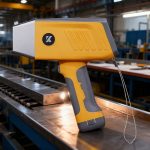 Handheld Alloy Analyzer
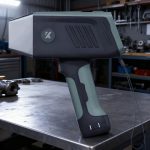 Handheld Mining Analyzer
 Other XRF Analyzer
Spanish Gold Tester Importer: Guide To Shipping From China
The demand for high-precision gold testers has surged in Spain’s jewelry, recycling, and precious metal trading sectors, with many businesses turning to Chinese manufacturers for cost-effective, reliable equipment. However, transporting these delicate, high-value instruments from China to Spain requires careful consideration of multiple factors—including instrument sensitivity, shipping time, cost, customs compliance, and risk mitigation. Unlike ordinary goods, gold testers (especially XRF-based models) feature precision sensors and electronic components that demand specialized packaging and stable transport conditions. This article breaks down the most viable shipping methods for gold testers from China to Spain, details the pros and cons of each option, and provides actionable tips to ensure smooth, secure delivery. Whether you’re a small jewelry store ordering one device or a distributor importing a container load, this guide will help you select the optimal transport solution.
Ocean Freight: The Cost-Effective Choice For Bulk Gold Tester Shipments
Ocean freight remains the most popular shipping method for businesses importing large quantities of gold testers from China to Spain. Its low cost per unit and ability to handle bulky cargo make it ideal for distributors, wholesalers, or companies replenishing long-term inventory. However, it requires careful planning around lead times and instrument protection.

Full Container Load (FCL) For Large-Scale Gold Tester Imports
Full Container Load (FCL) shipping involves reserving an entire shipping container exclusively for your gold testers, eliminating the need to share space with other cargo. This option is particularly suitable for shipments exceeding 15 cubic meters—typically 50 or more gold testers, depending on packaging size.
Key Advantages Of FCL For Gold Tester Transport
Firstly, FCL minimizes the risk of damage to gold testers. When your cargo occupies the entire container, you control the packaging layout, allowing you to use custom-fitted padding and shock-absorbing materials to protect precision sensors. Secondly, FCL reduces handling frequency—your container is loaded once at the Chinese factory and unloaded once at the Spanish port, lowering the chance of accidental impacts during transit. Additionally, FCL offers cost predictability; the rate is fixed per container, regardless of whether you fill it to capacity (though maximizing space is recommended to reduce unit costs). For example, a 20-foot FCL from Shanghai to Barcelona typically costs $1,800–$2,500, which translates to just $36–$50 per unit for a shipment of 50 gold testers—far lower than air freight rates.
Practical Considerations For FCL Gold Tester Shipments
Plan for extended lead times when choosing FCL. Ocean freight from China to Spain usually takes 30–40 days, depending on the port of origin (Shanghai, Shenzhen, Ningbo) and destination (Barcelona, Valencia, Algeciras). You must also coordinate with your Chinese supplier to ensure proper container loading—heavy gold tester units (weighing 10–20kg each) should be placed at the bottom of the container to prevent tipping, while lighter models can be stacked above with secure bracing. Moreover, confirm that the container is moisture-proof; gold tester circuit boards are sensitive to humidity, so adding desiccant packs and moisture-absorbing blankets is essential, especially during monsoon seasons in China.
Less Than Container Load (LCL) For Smaller Gold Tester Shipments
Less Than Container Load (LCL) shipping is designed for shipments that don’t fill an entire container—typically 1–10 gold testers, occupying 1–10 cubic meters of space. This option allows you to share container space with other shippers, reducing upfront costs compared to FCL.
When To Choose LCL For Gold Tester Imports
LCL is ideal for small businesses or first-time importers testing the market with a limited number of gold testers. For instance, a Spanish jewelry store ordering 3 XRF gold testers (packaged to 2 cubic meters) would pay $300–$500 for LCL shipping from Shenzhen to Valencia—far less than the $1,800 minimum for FCL. Additionally, LCL offers flexibility; you don’t need to wait until you have enough inventory to fill a container, allowing you to respond faster to sudden demand for specific gold tester models (e.g., portable vs. benchtop units).
Mitigating Risks In LCL Gold Tester Transport
However, LCL carries higher risks for delicate gold testers. Your cargo will be consolidated with other goods at a Chinese warehouse, loaded into a shared container, and deconsolidated at a Spanish warehouse—each step increasing the chance of rough handling or damage. To address this, invest in reinforced packaging: use double-walled cardboard boxes with foam inserts custom-cut to the shape of the gold tester, and add a rigid outer crate for extra protection. Clearly label packages with “Fragile—Precision Instrument” and “Do Not Stack” in both Chinese and Spanish. Additionally, choose a freight forwarder with experience in shipping electronic instruments; they can prioritize your cargo during consolidation and ensure it’s placed away from heavy items (e.g., machinery, building materials) that could crush or jostle the gold testers.

Air Freight: The Fast, Secure Option For Urgent Gold Tester Deliveries
When time is critical—such as replacing a broken gold tester or fulfilling a rush order from a Spanish client—air freight is the optimal choice. While more expensive than ocean freight, it delivers gold testers from China to Spain in 3–7 days, with lower risk of damage due to shorter transit times and specialized handling for delicate cargo.
Direct Air Cargo For High-Priority Gold Tester Shipments
Direct air cargo involves shipping gold testers on non-stop or single-connection flights from major Chinese airports (Beijing, Shanghai, Guangzhou) to Spanish hubs (Madrid Barajas, Barcelona El Prat). This option is fastest, as it avoids multiple transshipments that can delay delivery and increase damage risk.
Benefits Of Direct Air Cargo For Gold Testers
The primary advantage is speed—direct flights from Shanghai to Madrid can deliver gold testers in as little as 3 days, making it possible to resolve inventory shortages or emergency equipment needs quickly. Secondly, air freight carriers (e.g., Air China, Iberia) have strict protocols for handling electronic and precision instruments, including temperature-controlled cargo holds and specialized loading equipment that minimizes shock. This is crucial for gold testers, as sudden jolts can misalign their XRF sensors, requiring costly recalibration upon arrival. Additionally, air freight offers enhanced security; cargo is tracked more closely than ocean freight, reducing the risk of theft—a key concern for high-value gold testing equipment.
Cost And Packaging Tips For Direct Air Cargo
Cost is the main drawback of direct air freight. Rates typically range from $8–$12 per kilogram, so a 15kg gold tester would cost $120–$180 for shipping, plus fuel surcharges and handling fees. To manage costs, consolidate small orders into a single shipment—for example, combining 5 gold testers into one air cargo consignment reduces per-unit handling fees. For packaging, use lightweight but durable materials (e.g., aluminum cases with foam padding) to protect the instrument without adding excessive weight. Also, remove any loose components (e.g., detachable probes) and pack them separately to prevent internal damage during turbulence.

Consolidated Air Freight For Budget-Conscious Urgent Shipments
Consolidated air freight (also known as “air freight LCL”) combines multiple small shipments from different shippers into a single air cargo consignment, offering a middle ground between direct air cargo and ocean freight in terms of cost and speed.
How Consolidated Air Freight Works For Gold Testers
Freight forwarders collect gold testers from multiple importers, consolidate them at a Chinese airport warehouse, and ship them as a single cargo unit to Spain. Upon arrival, the consignment is deconsolidated, and individual shipments are delivered to each buyer. This option takes 5–7 days (slower than direct air cargo but far faster than ocean freight) and costs 30–40% less than direct air cargo—typically $5–$8 per kilogram.
Selecting A Reliable Consolidator For Gold Testers
When choosing consolidated air freight, prioritize forwarders with experience in electronic instruments. Ask for references from other Spanish importers of gold testers, and confirm that the consolidator uses dedicated sections of the cargo hold for delicate items, separate from heavy or bulky goods. Also, verify that they provide end-to-end tracking, so you can monitor your gold testers from the Chinese factory to your Spanish warehouse. Finally, ensure the consolidator handles customs clearance on your behalf—this saves time and reduces the risk of delays due to incomplete documentation.
Multimodal Transport: Combining Efficiency For Cross-Border Gold Tester Deliveries
Multimodal transport integrates two or more shipping methods (e.g., truck + ocean, rail + air) to leverage the strengths of each, offering a balanced solution for gold tester shipments that require both cost efficiency and speed. This option is particularly useful for importers in inland Spanish cities (e.g., Madrid, Zaragoza) that aren’t served directly by major ports.
Rail-Sea Multimodal: Cost-Effective For Inland Spanish Destinations
The rail-sea multimodal route combines China-Europe rail freight with ocean shipping, ideal for gold testers destined for inland Spain. Cargo is transported by rail from Chinese cities (Chongqing, Chengdu) to European ports (Rotterdam, Hamburg), then transferred to a short-sea vessel for shipment to Spain, before final delivery by truck to the destination.
Advantages Of Rail-Sea Transport For Gold Testers
This route reduces transit time compared to full ocean freight—typically 25–30 days, 5–10 days faster than shipping directly from China to Spain by sea. It also avoids the congestion often seen at major Chinese ports, especially during peak seasons (e.g., Chinese New Year). For gold testers, rail transport offers more stable conditions than ocean freight; trains experience less turbulence and humidity, reducing the risk of sensor damage. Additionally, the rail-sea route is cost-competitive, with rates 10–15% lower than air freight and only slightly higher than full ocean freight.
Coordinating Rail-Sea Shipments For Gold Testers
Successful rail-sea transport requires close coordination between your Chinese supplier, rail operator, ocean carrier, and Spanish trucking company. Ensure all parties have copies of the gold tester’s technical specifications and packaging requirements to maintain consistency across transport modes. Also, confirm that the rail container is compatible with ocean shipping (e.g., ISO-standard containers) to avoid delays during transshipment. Finally, plan for customs clearance at two points: when the rail cargo enters the EU (e.g., in Germany) and when it arrives in Spain—work with a freight forwarder who can handle both to streamline the process.
Air-Truck Multimodal: Fast Delivery To Remote Spanish Locations
Air-truck multimodal transport combines air freight to a major Spanish airport (Madrid, Barcelona) with road transport to final destinations in remote areas (e.g., Galicia, Andalusia). This option ensures fast delivery even for importers outside Spain’s major hubs.
Why Air-Truck Works For Gold Tester Importers
Many Spanish jewelry stores and recycling facilities are located in small towns or rural areas with no direct air cargo service. Air-truck multimodal solves this by using air freight for the long-haul China-to-Spain leg (3–7 days) and trucking for the final 100–500km, which typically takes 1–2 days. This is far faster than relying solely on ocean freight and trucking, which can take 40–50 days for remote destinations. Additionally, trucking companies specializing in delicate cargo can provide temperature-controlled vehicles and shock-monitoring devices to protect gold testers during the final delivery.
Choosing A Trucking Partner For Gold Tester Delivery
When selecting a Spanish trucking company, prioritize those with experience in transporting electronic instruments. Ask if they use vehicles with air suspension (to reduce vibration) and if they offer real-time tracking and shock-detection reports—this allows you to verify that your gold testers weren’t subjected to excessive jolts during road transport. Also, confirm that the trucking company is bonded and insured, so you’re covered in case of accidents or theft during the final delivery.
Customs Clearance And Compliance: Critical Steps For Gold Tester Shipments
Regardless of the shipping method, navigating customs clearance in Spain is a critical step for importing gold testers from China. Failure to comply with EU and Spanish regulations can result in delays, fines, or even seizure of the equipment. Gold testers are classified as “electronic measuring instruments,” requiring specific documentation to prove compliance with safety and quality standards.
Essential Documentation For Gold Tester Customs Clearance
Prepare the following documents before shipping your gold testers to Spain: a commercial invoice (detailing the product name, model, quantity, unit price, total value, and country of origin), a packing list (itemizing each gold tester and its packaging details), a certificate of origin (proving the equipment was manufactured in China, to qualify for preferential trade terms under the China-EU Comprehensive Agreement on Investment), and a CE certification (proving compliance with EU safety standards for electronic equipment). For XRF gold testers, you may also need a radiation safety certificate, as XRF technology uses low-level radiation—check with Spain’s Ministry of Health to confirm specific requirements.
Duty And Tax Considerations For Gold Testers
Gold testers imported into Spain are subject to a 20% Value-Added Tax (VAT) based on the total value of the shipment (equipment cost + shipping + insurance). The customs duty rate is typically 4.2% for electronic measuring instruments, though this may vary based on the gold tester’s exact classification (check the EU’s Combined Nomenclature code for your specific model). To reduce costs, take advantage of any applicable trade agreements—for example, if your Chinese supplier is registered with the EU’s Authorized Economic Operator (AEO) program, your shipment may qualify for faster clearance and reduced inspection rates. Additionally, if you’re importing gold testers for resale, you can delay paying VAT by using an Import One-Stop Shop (IOSS) registration, which streamlines VAT reporting and payment.
Insurance And Risk Mitigation For Gold Tester Shipments
Gold testers are high-value, delicate instruments, so investing in adequate shipping insurance is essential to protect against loss, damage, or theft during transit. The type of insurance you need depends on the shipping method and the value of your shipment.

Cargo Insurance Options For Gold Testers
The most common insurance option is “all-risk” cargo insurance, which covers damage from most causes (e.g., rough handling, moisture, accidents) and theft. Rates typically range from 0.3–0.8% of the shipment’s total value—for a $10,000 shipment of gold testers, this translates to $30–$80, a small investment to avoid costly losses. Some freight forwarders also offer “total loss only” insurance at a lower rate (0.1–0.2%), but this only covers complete loss of the shipment (e.g., sunk ship, destroyed plane) and not partial damage—this is not recommended for delicate gold testers. Additionally, confirm that the insurance policy covers the entire transport chain, including transshipment points and final delivery by truck.
Preventing Damage To Gold Testers During Transit
Insurance is a safety net, but preventing damage in the first place is better. Work with your Chinese supplier to implement specialized packaging for gold testers: use anti-static bags to protect circuit boards, foam inserts custom-molded to the instrument’s shape, and shock-absorbing material (e.g., bubble wrap, packing peanuts) to fill empty spaces. For benchtop gold testers, remove any detachable parts (e.g., power cords, probes) and pack them in separate compartments. Label all packages clearly with “Fragile,” “Handle With Care,” and “This Side Up” in both Chinese and Spanish. Additionally, use shock-monitoring labels—these change color if the package is subjected to excessive impact, allowing you to file insurance claims quickly if damage occurs.
Choosing The Right Shipping Method: A Decision-Making Framework For Spanish Importers
With multiple shipping options available, selecting the right one for your gold tester shipment depends on four key factors: shipment size, urgency, budget, and destination. Use the following framework to make an informed decision.
Small Shipments (1–5 Gold Testers): Air Freight Or LCL
If you need the gold testers within 7 days, choose consolidated air freight—it balances speed and cost for small orders. If time is not critical (4–6 weeks), LCL ocean freight is the most cost-effective option. For example, a Spanish pawnbroker ordering 2 portable gold testers would pay $200–$300 for consolidated air freight (5–7 days) or $80–$120 for LCL (30–40 days).
Medium To Large Shipments (10+ Gold Testers): FCL Or Rail-Sea Multimodal
For shipments of 10 or more gold testers, FCL ocean freight offers the lowest per-unit cost if you can wait 30–40 days. If you need faster delivery (25–30 days) and are willing to pay a slight premium, rail-sea multimodal is an excellent alternative. For instance, a Spanish distributor importing 50 benchtop gold testers would pay $1,800–$2,500 for FCL (35 days) or $2,200–$2,800 for rail-sea (28 days).
Urgent Shipments (3–7 Days): Direct Air Cargo
If your gold tester is needed for an emergency (e.g., a broken machine at a busy jewelry store), direct air cargo is the only viable option. While expensive, it ensures your equipment arrives in time to avoid lost revenue. For example, a Spanish recycling facility needing a replacement XRF gold tester would pay $600–$800 for direct air cargo (3 days) versus $150–$200 for LCL (35 days)—a worthwhile investment to keep operations running.
Inland Spanish Destinations: Multimodal Transport
For importers in cities like Madrid, Zaragoza, or Bilbao, rail-sea (for cost) or air-truck (for speed) multimodal transport is better than relying solely on ocean freight to a coastal port and then trucking. This reduces transshipment delays and ensures your gold testers reach their destination efficiently.
Conclusion: Optimizing Gold Tester Shipping From China To Spain
Shipping gold testers from China to Spain requires a tailored approach that balances cost, speed, and protection for these delicate, high-value instruments. Ocean freight (FCL or LCL) is ideal for cost-conscious importers with large or non-urgent shipments, while air freight (direct or consolidated) meets the needs of businesses requiring fast delivery. Multimodal transport offers a flexible middle ground, especially for inland Spanish destinations. Regardless of the method, prioritizing specialized packaging, comprehensive insurance, and compliance with customs regulations is critical to ensuring your gold testers arrive safely, on time, and ready for use.
By understanding the unique requirements of gold tester transport and leveraging the expertise of freight forwarders with experience in electronic instruments, Spanish importers can streamline their supply chain and maximize the value of their Chinese purchases. Whether you’re a small business or a large distributor, the right shipping strategy will not only protect your investment but also help you meet the growing demand for high-precision gold testing equipment in Spain’s precious metal industries.
The demand for high-precision gold testers has surged in Spain’s jewelry, recycling, and precious metal trading sectors, with many businesses turning to Chinese manufacturers for cost-effective, reliable equipment. However, transporting these delicate, high-value instruments from China to Spain requires careful consideration of multiple factors—including instrument sensitivity, shipping time, cost, customs compliance, and risk mitigation. Unlike […]