
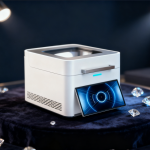
 Xrf Gold Analyzer
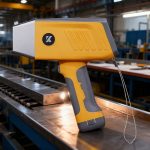 Handheld Alloy Analyzer
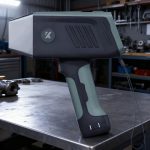 Handheld Mining Analyzer
 Other XRF Analyzer
Gold testing is critical for precious metal transactions and recycling, but misinformation often leads to costly mistakes. However, it often faces misinformation and cognitive biases that confuse many users. Many users, whether beginners or experienced practitioners, fall into misunderstandings due to hearsay or lack of professional knowledge. These biases not only cause inaccurate testing results but also lead to financial losses and disputes.
1. Common Cognitive Biases in Gold Testing
1.1 Cognitive Bias About Non-Magnetic Gold
Many people think non-magnetic gold must be real gold, a misunderstanding that leads to wrong judgments. Real gold is non-magnetic, but counterfeiters make non-magnetic fakes like gold-plated tungsten. The magnet test only rules out magnetic metals like iron and steel, but it cannot identify non-magnetic counterfeits. Relying solely on this test will inevitably increase the risk of buying fake gold.
1.2 Cognitive Bias About Acid Testing Purity
A large number of users think acid testing can accurately measure gold purity, but this is a one-sided view. Acid testing is only suitable for preliminary screening, not precise purity checks. It cannot distinguish between 99% and 99.9% gold purity, nor can it detect complex adulteration behaviors. Additionally, it is a destructive test that damages delicate jewelry and reduces its value.
1.3 Cognitive Bias About Visual and Weight Judgment
Many users judge gold authenticity by luster, color and weight, but this method is highly unreliable. Counterfeiters use advanced plating technology to imitate real gold’s luster and color. Tungsten-plated gold has the same weight as real gold, making weight checks ineffective. Visual and weight judgments are subjective and easily affected by environmental factors, so they can only be used as auxiliary means.
1.4 Cognitive Bias About Portable Tester Accuracy
Some users hold the view that portable gold testers are far less accurate than benchtop models. This ignores the technological progress of portable equipment. Modern portable XRF testers adopt the same core technology as benchtop models, with an accuracy error of no more than 0.02%. They fully meet the needs of daily transactions and on-site testing.
1.5 Cognitive Bias About Equipment Calibration
Many users believe new gold testing equipment does not need calibration, and only needs calibration when it breaks down. Testing equipment will have performance drift due to frequent use, transportation and environmental changes. Even new equipment may have slight deviations after leaving the factory. Skipping calibration will lead to inaccurate testing
results and unnecessary losses.

2. Scientific Facts About Gold Testing
2.1 Core Principles of Gold Testing
Gold testing relies on the unique physical and chemical properties of gold, such as high density, non-magnetism and chemical inertness. Non-destructive testing methods, represented by XRF testing, analyze gold’s elemental composition without damaging the item. Destructive tests like acid testing are only for preliminary screening, while lab-grade testing ensures the highest accuracy for high-value items.
2.2 Key Facts to Clarify Biases
Non-magnetic properties are not a unique feature of real gold, and non-magnetic counterfeits are common in the market. Acid testing cannot realize precise purity measurement, and it is only suitable for eliminating base metal fakes. Portable XRF testers balance speed and accuracy, making them the first choice for daily use. Regular calibration is the key to ensuring equipment accuracy, regardless of whether the equipment is new or used.
2.3 Purity Standards of Real Gold
Real gold purity is usually divided into different grades, such as 24K (99.9% or 99.99% pure), 18K (75% pure) and 14K (58.3% pure). 100% absolute purity gold is currently unachievable. The purity of gold directly affects its value, so accurate purity testing is crucial for transactions and recycling.

3. Practical Guidance for Accurate Gold Testing
3.1 Selection of Testing Methods
Choose testing methods according to specific scenarios to achieve the best effect. Daily in-store verification and small-scale transactions are suitable for portable XRF non-destructive testing. High-value gold like investment bars requires professional lab testing to ensure authority. Scrap gold recycling can combine acid testing and XRF testing to balance efficiency and cost.
3.2 Correct Use of Testing Equipment
Follow the manufacturer’s instructions when using testing equipment to avoid improper operation. For portable XRF testers, clean the testing surface before use to avoid dust affecting results. For acid testing kits, wear protective gear to prevent acid corrosion. Regularly maintain equipment to extend its service life and ensure stable performance.
3.3 Risk Control Measures
Never rely on a single testing method, especially for high-value gold transactions. Cross-verify results with multiple methods to reduce errors. Establish a regular calibration system; calibrate equipment at least once a month for frequent use. When calibration fails, replace the equipment in time to avoid misleading results.

4. Equipment Selection Guide for Different Users
4.1 Jewelry Store Owners
Prioritize non-destructive portable XRF testers with simple operation and clear displays. These testers can quickly verify gold purity in front of customers, enhance customer trust and avoid disputes. Choose models with data recording functions to facilitate quality control and after-sales service.
4.2 Gold Recyclers
Select cost-effective handheld acid testers and entry-level XRF testers. The combination of the two can quickly screen out non-gold items and accurately measure the purity of scrap gold. Choose durable equipment suitable for on-site use to adapt to different recycling scenarios.
4.3 Small-Scale Traders
Opt for affordable, easy-to-maintain portable basic testers. Focus on product certification to avoid cheap unbranded equipment that provides inaccurate results. Choose models with simple operation to reduce training costs and improve testing efficiency.
4.4 Large Enterprises and Investment Institutions
Invest in lab-grade testing systems with high accuracy and bulk processing capabilities. These systems can provide authoritative testing reports to meet regulatory requirements and large-scale transaction needs. Equip professional operators to ensure correct use of equipment and accurate results.

FAQS
1.What is the most reliable way to test gold?
Combine portable XRF testing and professional lab testing for the most reliable results. Portable XRF testers provide fast, non-destructive preliminary results, while lab testing ensures accurate purity measurement for high-value items, avoiding losses caused by inaccurate testing.
2.Can I trust the magnet test to identify fake gold?
No, the magnet test can only rule out magnetic fakes like iron and steel. It cannot detect non-magnetic counterfeits such as gold-plated tungsten, so it can only be used as an auxiliary test method.
3.Why is calibration important for gold testing equipment?
Calibration ensures consistent and accurate testing results. Uncalibrated equipment will produce wrong purity readings, which may lead to misjudgment in transactions and unnecessary financial losses. Regular calibration is the key to maintaining equipment accuracy.
4.Is 24K gold really pure?
No, 24K gold is not absolutely pure. Its purity is usually 99.9% or 99.99%, and 100% pure gold cannot be achieved with current technology. The slight impurities in 24K gold will not affect its value and use.
5.How to choose gold testing equipment on a limited budget?
Prioritize suitability and certification over price. Choose cost-effective, certified portable testers that meet your daily testing needs. Avoid cheap unbranded equipment that provides inaccurate results. Regular calibration can also reduce the cost of equipment replacement.