
 Xrf Gold Analyzer
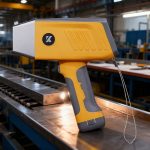 Handheld Alloy Analyzer
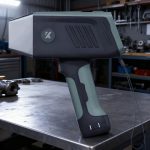 Handheld Mining Analyzer
 Other XRF Analyzer
A good XRF analyzer quote should do more than list a machine price. For precious-metal buyers, the quote should explain configuration, sample workflow, training, calibration support, warranty, service response, reporting, consumables, delivery terms, and upgrade options. If two suppliers quote different prices but include different support, accessories, and workflow assumptions, the cheaper quote may not be cheaper once the analyzer is used every day.
This checklist is written for pawnshops, gold buyers, jewelry stores, bullion desks, recyclers, and small refineries preparing to compare XRF analyzer offers. It connects directly with the 7-year XRF analyzer TCO benchmark and the pawnshop XRF analyzer ROI calculator. Before requesting a quote for WM5800T, WMK6000, or WMKEY6000, use this page to prepare the information a supplier needs to recommend the right configuration.

Why Quote Quality Matters More Than Quote Speed
Fast pricing feels useful, but a fast quote based on weak information can push the buyer into the wrong product. Precious-metal XRF workflows are different. A pawnshop counter needs speed, simple staff operation, and customer-facing explanation. A bullion desk needs authentication confidence and report evidence. A recycler needs sorting discipline for mixed gold, silver, PGM, plated, and alloy streams. A refinery or settlement desk needs repeatable audit records and clear sample handling. One generic quote cannot serve all of those use cases well.
The best supplier quote begins with workflow questions. What do you test? How many items do you test daily? Are samples jewelry, coins, bars, dental scrap, e-scrap, doré, or mixed recycling lots? Who operates the analyzer? Do you need printed reports, digital records, branch standardization, or internal audit review? These answers determine whether the quote should emphasize compact operation, high-throughput bench workflow, reporting, service planning, or upgrade path.
The Quote Checklist at a Glance
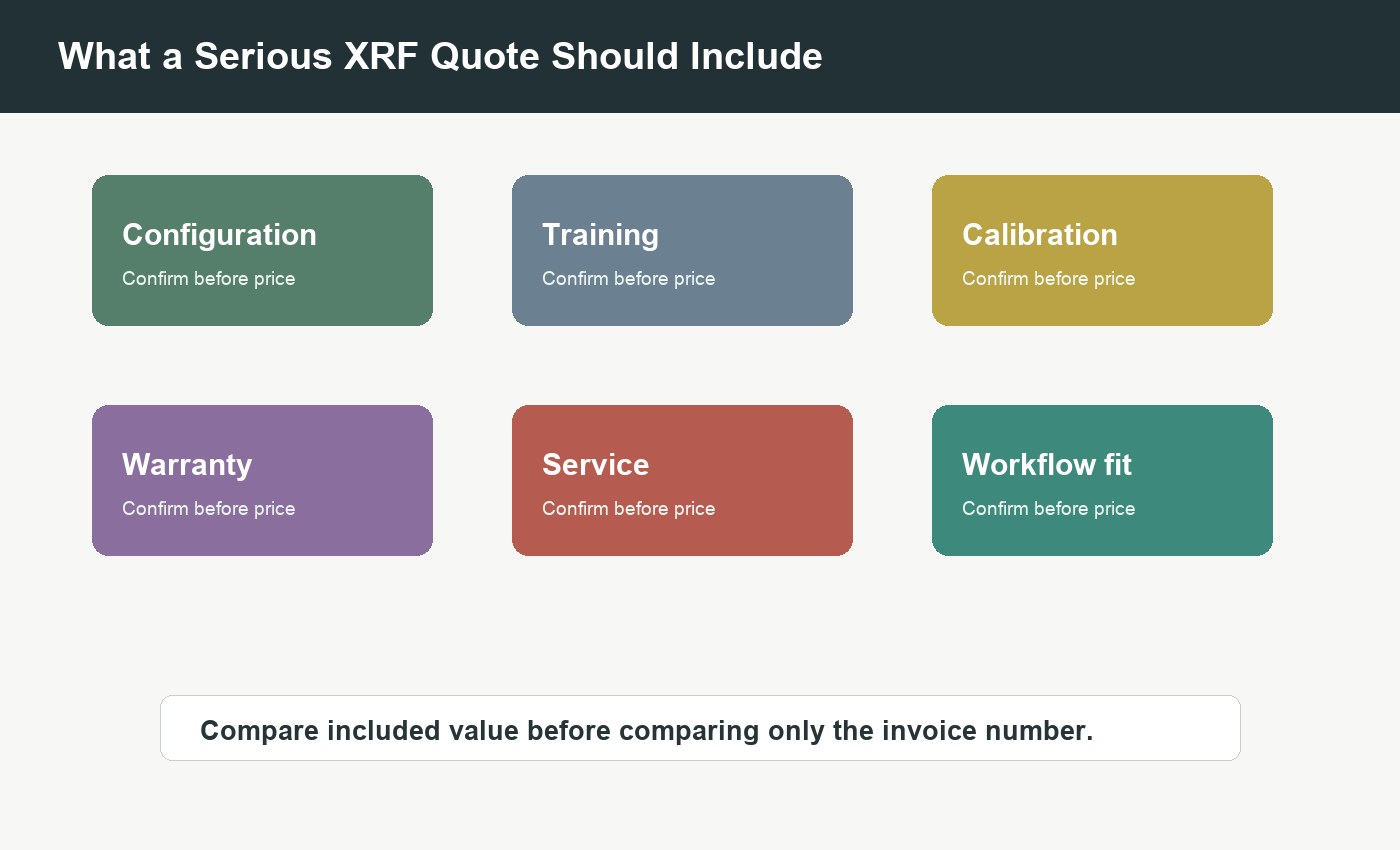
| Checklist area | What to confirm before comparing prices |
|---|---|
| Sample workflow | Material types, sample size, daily volume, high-value risk items, and operator skill level |
| Configuration | Analyzer model, detector/tube configuration where applicable, software, fixture, shield, computer or display needs |
| Training | Initial training, written SOP, remote follow-up, staff turnover plan, and manager review process |
| Calibration and QC | Reference checks, daily verification routine, method guidance, and periodic review |
| Warranty and service | Warranty scope, response channel, diagnosis path, spare parts, downtime expectations, and escalation route |
| Reporting | Report format, customer-facing evidence, internal records, export needs, and branch consistency |
| Total cost | Shipping, duty, accessories, consumables, service plan, financing, and upgrade or trade-in path |
Step 1: Describe Your Materials Clearly
A supplier cannot recommend the right analyzer without knowing the material stream. “Gold testing” may mean karat jewelry at a pawnshop, bullion verification, dental scrap, mixed precious-metal recycling, or refinery intake screening. Each use case has different risk. A buyer testing stamped jewelry mostly needs repeatable counter workflow. A buyer testing mixed recycling lots needs stronger sorting discipline and may need broader element screening. A refinery intake team may need report traceability and a more formal QC routine.
Prepare a material list before asking for price. Include common items, difficult items, and high-value risk items. For example: 10K to 24K jewelry, silver jewelry, bars, coins, plated items, filled items, dental alloy, catalytic material, e-scrap contacts, PV ribbon, or mixed refinery lots. The more specific the list, the less likely the quote will miss a workflow requirement.
Step 2: State Daily Volume and Peak Volume
Daily volume affects product fit and ROI. A store testing five items per day may prioritize simplicity and low operational friction. A busy branch testing dozens of items per day needs speed, operator repeatability, and service planning. A recycler may not test many items one by one, but may need batch evidence and sorting decisions that protect lot value. Peak volume matters because queues appear on busy buying days, not on average days.
Give the supplier both average daily tests and peak-day tests. Also say whether the analyzer will be used by one trained person, rotating counter staff, or multiple branches. This changes the training and reporting requirement. It also changes whether a compact workflow or a higher-throughput bench setup is the better economic choice.
Step 3: Compare What Is Included, Not Only the Analyzer Price
Two quotes may look similar but include different items. One may include training, fixtures, report setup, remote support, and consumables. Another may list a lower equipment price but leave accessories and onboarding unclear. For a serious buyer, the comparison should be line-by-line. Ask what is included in the base quote and what is optional.
Important quote lines include the analyzer, software, sample accessories, shielding or measurement chamber, computer or display requirements, calibration or reference support, initial training, documentation, warranty, freight, taxes, and installation support. If a quote does not specify these items, ask for clarification before treating it as cheaper.
Step 4: Ask About Training and SOP Support
Training is part of the product. An analyzer that staff do not use consistently will not create the ROI shown in the spreadsheet. Ask whether the quote includes operator training, written SOP guidance, report setup, and follow-up after the first weeks of use. If the business has branch staff turnover, ask how new employees should be trained without depending on one expert operator.
A good training discussion should cover sample placement, surface cleaning, jewelry geometry, plated and filled item caution, when to retest, when to escalate, how to explain results to customers, and how managers should review high-value buys. These points turn the analyzer into a working business process instead of a box on the counter.
Step 5: Confirm Calibration and Daily QC Routine
Do not ask only whether the analyzer is calibrated. Ask what daily verification routine the buyer should follow. Precious-metal testing depends on method discipline. Staff should know when to check a reference, how to handle unusual readings, and how to document a result. A quote that includes clear QC guidance is stronger than a quote that leaves the buyer guessing after delivery.
For pawnshops and gold buyers, QC should be practical enough that staff actually do it. For recyclers and refineries, QC may need stronger records and manager oversight. The quote should match the seriousness of the workflow.
Step 6: Evaluate Warranty, Service, and Downtime Risk

Downtime is expensive because the analyzer often supports daily buying decisions. Ask how service is handled, what can be diagnosed remotely, what parts or accessories are commonly needed, and how escalation works if the device is unavailable. Warranty length is important, but warranty clarity is more important. A buyer should understand what is covered, what is excluded, and what response path exists.
For high-volume buyers, downtime planning can be as important as initial price. If the analyzer is central to buying, the quote should include a clear support path. If the buyer has multiple locations, ask whether one device can serve as backup, whether a branch can redeploy a unit, or whether an upgrade path is available as volume grows.
Step 7: Match Product to Workflow
Product fit should be decided after the workflow is clear. WMKEY6000 may fit a compact gold-testing workflow. WMK6000 may fit a pawnshop or gold buyer that wants a strong counter workflow. WM5800T may fit precious-metal recycling, mixed materials, and broader intake operations. The quote should explain why a model fits, not only what it costs.
If a supplier recommends a model without asking about sample types, daily volume, reporting, and service needs, the recommendation may be incomplete. A good quote should connect the device to a use case, a training plan, and a support plan.
Step 8: Ask for a Full Ownership Cost View
A quote should support a total ownership view. Ask about consumables, accessories, service plan, training, shipping, import duty, taxes, financing, and upgrade path. The buyer should also consider residual value, redeployment value, and the cost of downtime. This turns the quote into a TCO comparison instead of a one-line price comparison.
Use the 7-year TCO benchmark and ROI calculator together. TCO tells you what ownership may cost. ROI tells you how the analyzer may pay back. The quote checklist makes sure the supplier price includes the items needed for those assumptions to be real.
Information to Send WiserMachine Before Requesting a Quote
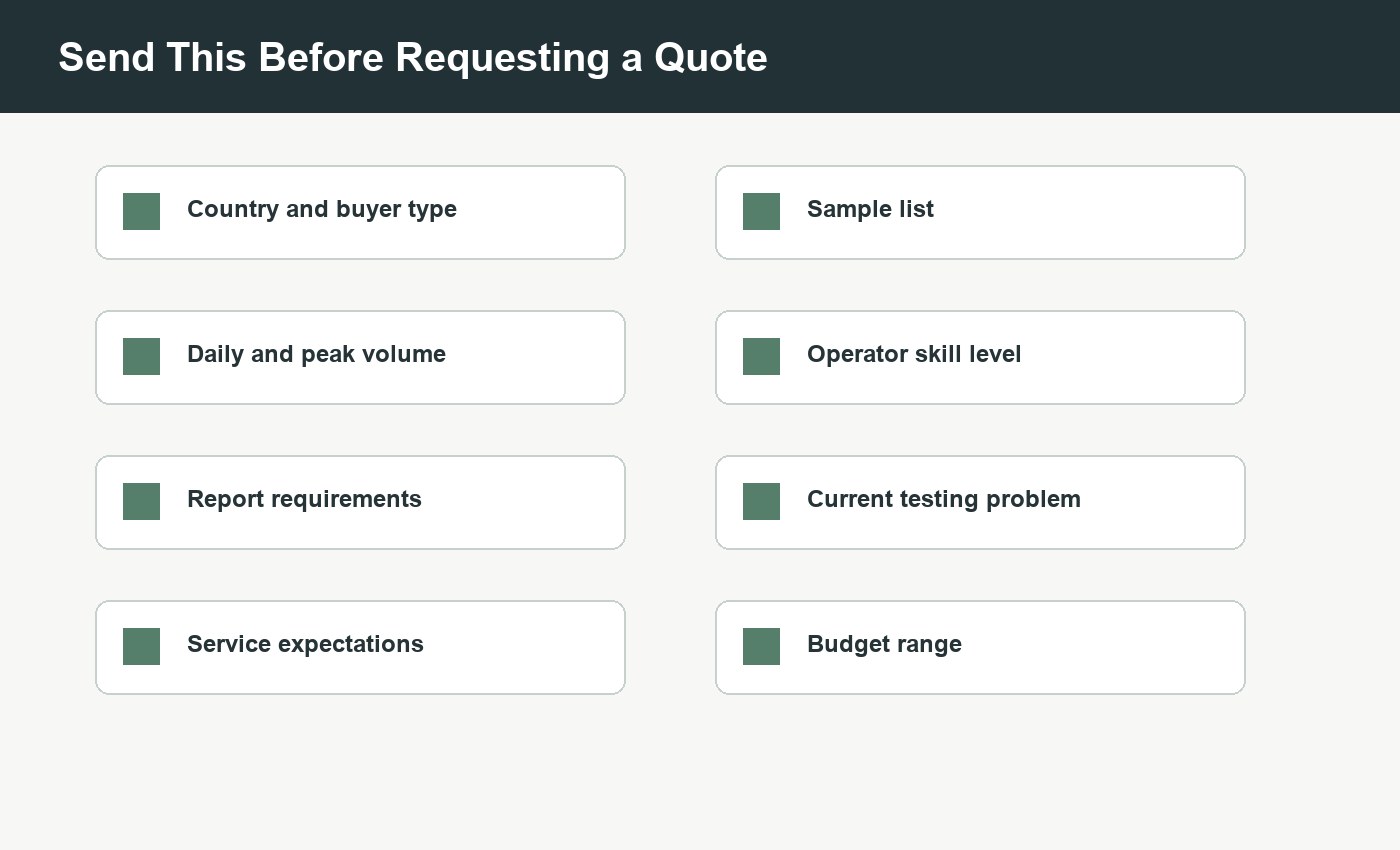
- Your country, company type, and whether you are a pawnshop, gold buyer, recycler, jewelry store, bullion desk, or refinery.
- Your main sample types and the most difficult materials you expect to test.
- Your average daily tests and peak-day tests.
- Whether the analyzer will be operated by one expert, rotating staff, or multiple branches.
- Your report requirements: customer-facing report, internal record, exported data, or branch standardization.
- Your current testing process and the problems you want to reduce.
- Your preferred delivery timeline and any service or training expectations.
- Your budget range if available, so the supplier can avoid overquoting or underquoting.
Red Flags in an XRF Analyzer Quote
Be careful when a quote lists only a model and a price with no workflow explanation. Be careful when training is not mentioned, warranty terms are vague, accessories are unclear, or the supplier does not ask about material types. Also be careful when a quote promises perfect results for every sample. XRF is powerful, but geometry, plating, thickness, and sample preparation still matter. A serious supplier should explain both strengths and limitations.
A second red flag is a quote that is too generic for your business. A pawnshop quote should discuss counter workflow and customer explanation. A recycler quote should discuss sorting and batch value. A refinery quote should discuss audit discipline. If the quote could be sent to anyone unchanged, it may not be specific enough for a purchase decision.
Final Quote Decision Rule
The best XRF analyzer quote is not always the lowest quote. It is the quote that gives the lowest risk-adjusted ownership cost for the real workflow. Compare included items, training, QC, service, reporting, downtime plan, and product fit before comparing only price. If you give WiserMachine a clear sample list, daily volume, report need, and business context, the recommendation can be more accurate and the quote can support a better buying decision.
Related method guide: Best Gold Tester for Jewelry Stores and Pawnshops 2026. If the quote request is still at method-selection stage, start with the best gold tester guide before narrowing the supplier checklist.
Analyzer models to include in your quote request
When sending the checklist to suppliers, include the closest product pages so the quote compares real configurations rather than generic analyzer names.
- WMKEY6000 portable gold analyzer: for portable precious-metal purity checks.
- WMG3000 handheld XRF metal analyzer: for handheld multi-metal screening requirements.
- WM450 rapid 0-24K detector: for quote lines focused on jewelry recycling and karat verification.
- WM350D XRF spectrometer: for quotes that require higher-purity alloy testing specifications.
Frequently Asked Questions
What should I send before requesting an XRF analyzer quote?
Send your sample types, daily testing volume, peak volume, operator situation, report needs, current testing method, country, delivery expectations, and budget range if available.
Why do two XRF analyzer quotes differ so much?
Quotes may include different configuration, accessories, training, warranty, service, freight, and support. Compare included items before deciding which quote is cheaper.
Should I ask for the cheapest XRF analyzer first?
It is better to ask for the right workflow fit first. The cheapest analyzer can become expensive if it lacks training, reporting, support, or enough capability for your material stream.
Does a quote need to include calibration and QC support?
Yes. Precious-metal XRF testing depends on method discipline. Ask what daily verification, reference check, and operator guidance are included.
Can WiserMachine help choose between WMKEY6000, WMK6000, and WM5800T?
Yes. The best model depends on sample type, daily volume, reporting needs, operator skill, and whether the workflow is a compact counter, pawnshop, recycling, or broader intake process.