
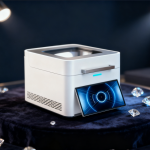
 Xrf Gold Analyzer
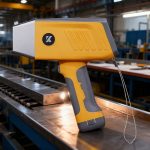 Handheld Alloy Analyzer
 Handheld Mining Analyzer
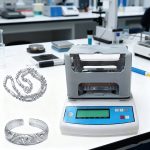 Other XRF Analyzer
Gold jewelry relies on accurate testing to guarantee quality, additionally, it ensures purity matches labeling and customer expectations, meanwhile, jewelry businesses depend on reliable testing to protect their brand reputation, moreover, testing helps avoid disputes and build long-term customer loyalty, furthermore, different jewelry types (fine, vintage, inlaid) require tailored testing approaches, specifically, this article covers jewelry-specific testing methods, quality control tips and customer trust strategies, finally, it supports jewelry retailers, manufacturers and craftspeople in delivering consistent quality.
1. Unique Gold Testing Needs for Jewelry
1.1 Non-Destructive Testing Is Non-Negotiable
Jewelry requires non-destructive testing to preserve its value, first, fine jewelry, inlaid pieces and vintage items cannot be damaged during testing, additionally, non-destructive methods protect the craftsmanship and appearance of finished pieces, meanwhile, customers expect their jewelry to remain intact during verification, moreover, destructive testing (e.g., acid tests) would ruin the item’s value, furthermore, non-destructive tools are essential for in-store and post-purchase verification, besides, they allow repeated testing for quality control, finally, non-destructive testing is the only viable option for jewelry.
1.2 Precision for Mixed Metals and Inlays
Jewelry often combines gold with other metals and gemstones, first, inlaid jewelry has gold settings paired with diamonds, gemstones or other alloys, additionally, mixed metals (e.g., gold-plated silver, gold alloys) require accurate detection of gold content, meanwhile, inlays and coatings can hide low-purity gold, moreover, testing must distinguish between solid gold and plated materials, furthermore, precision is critical to avoid mislabeling and customer disputes, besides, jewelry testing needs to ignore non-gold components (e.g., gemstones) for accurate results, finally, tailored testing methods are needed for mixed-material jewelry.
1.3 Consistency for Brand Quality Control
Jewelry brands rely on consistent testing for quality standards, first, every piece must meet the brand’s purity claims (e.g., 18K, 999), additionally, batch testing ensures uniformity across production, meanwhile, testing helps identify defects or inconsistencies in manufacturing, moreover, it supports compliance with regional labeling regulations, furthermore, consistent quality builds customer trust and brand credibility, besides, testing records help track production quality over time, finally, reliable testing is key to maintaining a reputable jewelry brand.

2. Best Gold Testing Methods for Jewelry
2.1 Portable XRF Testing (Ideal for Jewelry Businesses)
Portable XRF testers are the top choice for jewelry testing, first, they are non-destructive and safe for all jewelry types, additionally, they provide fast, accurate purity results in 3-5 seconds, meanwhile, they detect gold content and identify other metals (e.g., silver, copper, nickel) in alloys, moreover, they are compact and suitable for in-store use, furthermore, they can test inlaid jewelry without removing gemstones, besides, they are easy to operate for retail staff, finally, they balance precision, speed and convenience for jewelry businesses.
2.2 Electronic Gold Testers (For Quick In-Store Verification)
Electronic gold testers are suitable for retail counter use, first, they are affordable and easy to use, additionally, they provide quick purity results for solid gold jewelry, meanwhile, they use electrical conductivity to measure gold content, moreover, they are non-destructive and compact, furthermore, they are ideal for verifying customer-owned jewelry or post-purchase checks, besides, they work well for plain gold pieces (no inlays or coatings), finally, they complement XRF testers for comprehensive verification.
2.3 Professional Laboratory Testing (For High-End and Custom Jewelry)
High-end or custom jewelry requires professional lab testing, first, it provides authoritative, detailed purity reports for luxury pieces, additionally, it can detect complex alloys and subtle impurities, meanwhile, it is suitable for custom designs, vintage jewelry or high-value pieces, moreover, it supports official certification (e.g., hallmarking), furthermore, it is used for quality control in high-end manufacturing, besides, it provides documentation to support brand claims, finally, it is a valuable tool for premium jewelry brands.

3. Jewelry Gold Testing Best Practices
3.1 In-Store Testing for Customer Trust
In-store testing builds transparency with customers, first, display testing equipment prominently to show commitment to quality, additionally, offer free testing for customer-owned jewelry to build trust, meanwhile, demonstrate testing to customers when they purchase high-value pieces, moreover, provide clear, easy-to-understand results, furthermore, use testing to resolve customer doubts about purity, besides, keep records of testing results for future reference, finally, in-store testing turns quality control into a customer experience.
3.2 Quality Control During Manufacturing
Testing ensures consistency in jewelry production, first, test raw gold materials before manufacturing to confirm purity, additionally, test finished pieces before packaging to catch defects, meanwhile, batch test production runs to ensure uniformity, moreover, test inlaid pieces after setting to avoid damage during manufacturing, furthermore, use testing to verify that alloys meet brand standards, besides, keep detailed testing records for quality audits, finally, manufacturing testing prevents defective pieces from reaching customers.
3.3 Testing for Vintage and Pre-Owned Jewelry
Vintage and pre-owned jewelry requires special testing, first, vintage pieces may have worn markings or mixed metals, additionally, they may have been repaired or modified with low-purity gold, meanwhile, testing helps determine real value and authenticity, moreover, non-destructive methods protect delicate vintage craftsmanship, furthermore, test all pre-owned pieces before resale to avoid misrepresentation, besides, use testing to educate customers about vintage gold purity, finally, testing ensures transparency in pre-owned jewelry sales.

4. Tool Selection Guide for Jewelry Businesses
| Business Type | Application Scenario | Recommended Tool | Key Selection Points |
|---|---|---|---|
| Jewelry Retail Stores | In-store customer verification, counter use | Portable XRF Tester (Mid-Range) | Non-destructive, fast, easy operation, clear display |
| Small Jewelry Studios | Custom designs, small-batch production | Entry-Level Portable XRF Tester | Affordable, non-destructive, compact, accurate |
| High-End Jewelry Brands | Luxury pieces, official certification | Professional Benchtop XRF + Lab Testing | High precision, authoritative reports, batch testing |
| Vintage Jewelry Shops | Pre-owned and vintage pieces | Portable XRF Tester + Electronic Tester | Non-destructive, versatile, detects mixed metals |

5. Common Mistakes in Jewelry Gold Testing (and How to Fix Them)
5.1 Testing Inlaid Jewelry Without Adjusting Settings
Many businesses test inlaid jewelry incorrectly, first, gemstones and non-gold settings can interfere with testing results, additionally, unadjusted testers may underestimate or overestimate gold purity, meanwhile, this leads to mislabeling and customer disputes, moreover, adjust XRF tester settings to ignore non-gold components, furthermore, test the gold setting directly (avoiding gemstones), besides, use a small probe for hard-to-reach areas, finally, take extra care with inlaid pieces to ensure accurate results.
5.2 Relying on Visual Judgment for Plated Jewelry
Visual checks cannot distinguish plated jewelry from solid gold, first, gold-plated pieces often look identical to solid gold, additionally, surface plating hides low-purity or non-gold bases, meanwhile, this leads to misrepresentation and customer complaints, moreover, use XRF testing to detect plating thickness and base metal, furthermore, train staff to recognize subtle clues (e.g., wear patterns, weight), besides, clearly label plated items to avoid confusion, finally, never rely on appearance alone for jewelry testing.
5.3 Skipping Testing for Repaired or Modified Jewelry
Repaired jewelry may have low-purity gold added, first, jewelers sometimes use low-purity gold for repairs, additionally, modified pieces may have mixed metals that affect purity, meanwhile, untested repairs lead to incorrect labeling, moreover, test all repaired or modified pieces before returning to customers, furthermore, document repairs and testing results, besides, inform customers of any changes to gold purity, finally, testing ensures repaired jewelry meets brand standards.

FAQS
1. What is the best testing method for inlaid jewelry?
Portable XRF testers are best—they are non-destructive, can ignore gemstones and provide accurate gold purity results.
2. Can I test gold-plated jewelry accurately?
Yes, XRF testers detect plating thickness and base metal, distinguishing plated items from solid gold.
3. Why do jewelry brands need to test every piece?
Testing every piece ensures consistency, avoids mislabeling, builds customer trust and protects brand reputation.
4. Is professional lab testing necessary for jewelry?
It is not required for all jewelry, but it is recommended for high-value, custom or vintage pieces to provide authoritative verification.
5. How often should I calibrate my jewelry gold tester?
Calibrate once a month for frequent in-store use, or once every 3 months for occasional use, to maintain accuracy.