
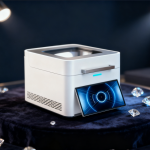
 Xrf Gold Analyzer
 Handheld Alloy Analyzer
 Handheld Mining Analyzer
 Other XRF Analyzer
Gold recycling relies heavily on accurate testing, additionally, it directly determines the value of scrap gold and the profitability of recycling businesses, meanwhile, scrap gold comes in diverse forms (jewelry, coins, electronics) with varying purity, moreover, untested or improperly tested materials lead to financial losses, furthermore, mastering gold testing for recycling is key to sustainable operations, specifically, this article covers recycling-specific testing methods, tool selection and risk control, finally, it provides actionable guidance for recycling professionals and enthusiasts.
1. Unique Challenges of Gold Testing in Recycling
1.1 Diverse Scrap Gold Forms
Scrap gold in recycling varies widely, first, it includes old jewelry, broken chains and worn-out accessories, additionally, it includes gold coins, bars and industrial scrap (e.g., electronics, dental gold), meanwhile, many items have coatings, inlays or alloys that hide real purity, moreover, some scrap is damaged or mixed with non-gold materials, furthermore, testing must adapt to different forms and conditions, besides, surface dirt and oxidation affect testing accuracy, finally, recycling testing requires flexibility and versatility.
1.2 Need for Speed and Efficiency
Recycling operations prioritize fast testing to boost turnover, first, daily recycling involves dozens or hundreds of samples, additionally, slow testing delays transactions and reduces efficiency, meanwhile, recyclers need quick results to quote prices on the spot, moreover, testing must balance speed with accuracy, furthermore, cumbersome methods are unsuitable for high-volume recycling, besides, portable and easy-to-use tools are essential, finally, efficiency directly impacts business profitability.
1.3 Risk of Counterfeits and Adulteration
Recycling faces high risks of fake or adulterated scrap, first, some sellers pass off gold-plated items as solid gold, additionally, complex alloys with low gold content are often disguised as high-purity scrap, meanwhile, worn or damaged items make visual judgment impossible, moreover, untested scrap can lead to significant losses, furthermore, testing must detect subtle impurities and counterfeit technologies, besides, reliable tools are critical to avoid fraud, finally, testing is the first line of defense for recyclers.

2. Best Testing Methods for Gold Recycling
2.1 Portable XRF Testing (Most Practical for Recycling)
Portable XRF testers are the top choice for recyclers, first, they provide fast results (3-5 seconds per sample), additionally, they are non-destructive and safe for all scrap forms, meanwhile, they detect exact purity and common impurities (e.g., copper, silver, nickel), moreover, they are portable for on-site or in-store testing, furthermore, they are easy to operate with minimal training, besides, they support bulk testing for high efficiency, finally, they balance speed, accuracy and convenience.
2.2 Acid Testing (for Preliminary Screening)
Acid testing is useful for quick preliminary checks, first, it is low-cost and easy to carry, additionally, it helps rule out obvious non-gold or low-purity scrap, meanwhile, it is suitable for testing uncoated, solid scrap, moreover, it provides fast yes/no results for minimum purity, furthermore, it complements XRF testing for more reliable results, besides, it is ideal for small-scale or budget-conscious recyclers, finally, it should not be used alone for high-value scrap.
2.3 Fire Assay (for High-Value or Bulk Scrap)
Fire assay is used for high-precision testing of valuable scrap, first, it provides the most accurate purity results (≤0.01%), additionally, it is suitable for bulk scrap or high-value items (e.g., gold bars, large jewelry), meanwhile, it can detect complex adulteration that XRF may miss, moreover, it is required for official certification or large transactions, furthermore, it is performed in professional labs, besides, it is more time-consuming and costly, finally, it is ideal for verifying high-value or suspicious samples.

3. Tool Selection Guide for Gold Recyclers
| Recycling Scale | Application Scenario | Recommended Tool | Key Selection Points |
|---|---|---|---|
| Small-Scale (Local Collection) | On-site door-to-door collection | Handheld XRF Tester (Entry-Level) | Portable, fast, easy operation, affordable |
| Medium-Scale (Storefront Recycling) | In-store testing, bulk samples | Portable XRF Tester (Mid-Range) | High accuracy, bulk testing, data recording |
| Large-Scale (Industrial Recycling) | Industrial scrap, high-volume testing | Benchtop XRF System + Fire Assay | High efficiency, lab-grade accuracy, bulk processing |
| Budget-Conscious Recyclers | Preliminary screening | Acid Test Kit + Basic Portable Tester | Low cost, simple, sufficient for basic needs |
 4. Practical Tips for Accurate Testing in Recycling
 4. Practical Tips for Accurate Testing in Recycling
4.1 Sample Preparation for Scrap Gold
Proper sample preparation ensures accurate results, first, clean scrap surfaces to remove dirt, oil and oxidation, additionally, remove non-gold parts (e.g., stones, clasps, plastic) before testing, meanwhile, cut small pieces from large or mixed scrap for testing, moreover, avoid testing coated or plated items directly, furthermore, break down broken jewelry to expose internal material, besides, dry samples thoroughly before testing, finally, ensure samples are free from external interference.
4.2 Testing Efficiency Tips for High-Volume Recycling
Boost efficiency without sacrificing accuracy, first, sort scrap by appearance (e.g., pure gold vs. alloy) before testing, additionally, use batch testing functions on portable testers, meanwhile, assign dedicated staff to testing to reduce delays, moreover, calibrate equipment once a day for frequent use, furthermore, keep tools organized and easily accessible, besides, use digital records to track testing results and pricing, finally, combine preliminary screening (acid test) with precise testing (XRF) for speed.
4.3 Risk Control Tips for Recyclers
Avoid losses with smart testing practices, first, always test every scrap item—never rely on seller claims, additionally, use multiple testing methods for high-value or suspicious scrap, meanwhile, verify results with a second tester if in doubt, moreover, be wary of scrap with unusual weight or appearance, furthermore, keep records of testing results and seller information, besides, invest in reliable, certified testing equipment, finally, train staff to recognize common counterfeit techniques.

5. Common Mistakes in Recycling Gold Testing (and How to Fix Them)
5.1 Testing Coated or Plated Scrap Directly
Many recyclers test plated items without removing the coating, first, this leads to false high-purity results, additionally, the coating hides the low-purity core, meanwhile, scrap gold-plated items have minimal real gold value, moreover, use a file to scratch off the coating before testing, furthermore, train staff to identify plated items by appearance, besides, use XRF testing to detect coating thickness, finally, avoid overpaying for plated scrap.
5.2 Relying Solely on Acid Testing for Pricing
Acid testing is not sufficient for accurate pricing, first, it cannot measure exact purity, additionally, it cannot detect complex alloys, meanwhile, it damages the sample and reduces its value, moreover, use acid testing only for preliminary screening, furthermore, use XRF testing to get exact purity for pricing, besides, reference daily gold prices to calculate material value, finally, avoid underpricing or overpricing due to inaccurate testing.
5.3 Skipping Equipment Calibration
Uncalibrated equipment leads to inaccurate results, first, frequent use causes equipment drift, additionally, environmental changes (temperature, humidity) affect performance, meanwhile, uncalibrated testers may overestimate or underestimate purity, moreover, calibrate equipment daily for high-volume use, furthermore, follow the manufacturer’s calibration instructions, besides, use calibration standards to ensure accuracy, finally, invest in tools with easy calibration features.

FAQs
1. What is the best testing method for small-scale gold recycling?
Portable XRF testers are the best choice—fast, non-destructive, easy to use and accurate enough for daily recycling.
2. Can I test gold-plated scrap accurately?
Yes, but you must scratch off the coating first; XRF testing can also detect coating thickness to estimate real gold content.
3. How do I calculate the value of scrap gold from testing results?
Multiply the scrap weight (in grams) by gold purity (e.g., 0.999 for 999 gold) by the current market price per gram of gold.
4. Is fire assay necessary for gold recycling?
It is not necessary for daily small-scale recycling, but it is recommended for high-value or bulk scrap to ensure maximum accuracy.
5. How often should I replace my recycling gold tester?
With proper use and maintenance, portable XRF testers last 3-5 years; replace when accuracy cannot be restored or frequent breakdowns occur.