
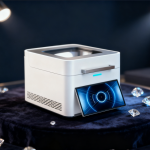
 Xrf Gold Analyzer
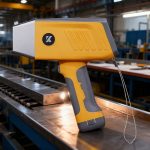 Handheld Alloy Analyzer
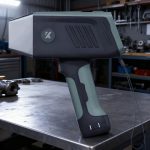 Handheld Mining Analyzer
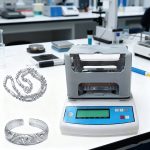 Other XRF Analyzer
A low-count-rate or no-sample-detected message can result from poor sample coverage, an air gap, incorrect positioning, contamination near the measurement window, an unsuitable thin sample or an instrument fault. Start with safe external checks and a known reference sample. Do not open radiation shielding, high-voltage sections or the detector path; unresolved faults require authorized support.

Quick answer
| Decision | xrf low count rate no sample detected |
| First check | Confirm sample construction, geometry, target elements and the exact business decision. |
| Before quotation | Send clear sample photos with dimensions, daily volume, destination, voltage and reporting needs. |
Check the sample and geometry first
- Use a clean, sufficiently large known metal sample that fully covers the measurement area.
- Remove unintended bags, tape, thick film or holders from the X-ray path unless the validated method requires them.
- Position the sample flat and stable at the normal measurement distance.
- Repeat once with the approved check sample and record the exact message and method used.
Inspect only accessible external areas
- Follow the manual before cleaning any window or chamber surface.
- Look for visible dust, oil, debris, damaged film or an object blocking the measurement area without touching fragile internal components.
- Confirm that chamber lids, interlocks and accessories are correctly seated.
- Stop using the instrument if a protective window appears torn or damaged and contact support.
Send useful evidence to support
- Provide the model, serial reference, software version, method name and when the issue began.
- Attach a photo of the sample position, chamber condition and the complete error screen.
- Include results from the approved reference sample and note whether peak positions, total counts or all readings changed.
- Describe recent transport, cleaning, power events, updates or service without attempting internal repair.
Practical decision table
| Sample or condition | Action | Reason |
|---|---|---|
| Small/curved sample | Use known flat coverage sample | Separate geometry from instrument fault |
| Visible debris | Follow approved external cleaning | Restore unobstructed path |
| Damaged window | Stop and contact support | Protect detector and safety |
| Known sample also fails | Submit evidence for diagnosis | Possible instrument/service issue |
Evidence and method boundary
Use the model manual, an approved method and suitable reference materials before making purchase, release or compliance decisions. Technical references include the New Zealand Ministry for the Environment XRF guide, Thermo Fisher gold-jewelry EDXRF application note. These sources explain the method boundary; they do not replace model-specific configuration, laboratory confirmation or local legal advice.
Recommended WiserMachine path
Review WM3900P and compare WM-EDX-B3. The exact detector, collimator, calibration, software and reporting configuration must be confirmed against real samples before ordering. You can also browse the complete XRF product catalog.
Related guides
Continue with remote diagnosis checklist, reference-standard verification, or use the support center for preparation, operation and service guidance.
Send a complete diagnostic request
Send sample photos, dimensions, target elements, expected range, daily volume, reporting needs, voltage and destination. WiserMachine will confirm a suitable configuration and freight plan before quotation.
Frequently Asked Questions
Can I tape over an XRF window to protect it?
Do not add tape or film unless it is explicitly approved for the instrument and validated method; added material can attenuate the signal and contaminate results.
Should I open the analyzer to check the detector?
No. Radiation shielding, high-voltage and detector-path work must be handled by authorized service personnel.
What is the fastest useful support evidence?
Send the exact error, sample-position photo, known-reference result, method name, software version and a short timeline of what changed.