
 Xrf Gold Analyzer
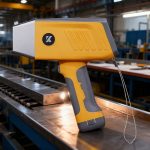 Handheld Alloy Analyzer
 Handheld Mining Analyzer
 Other XRF Analyzer
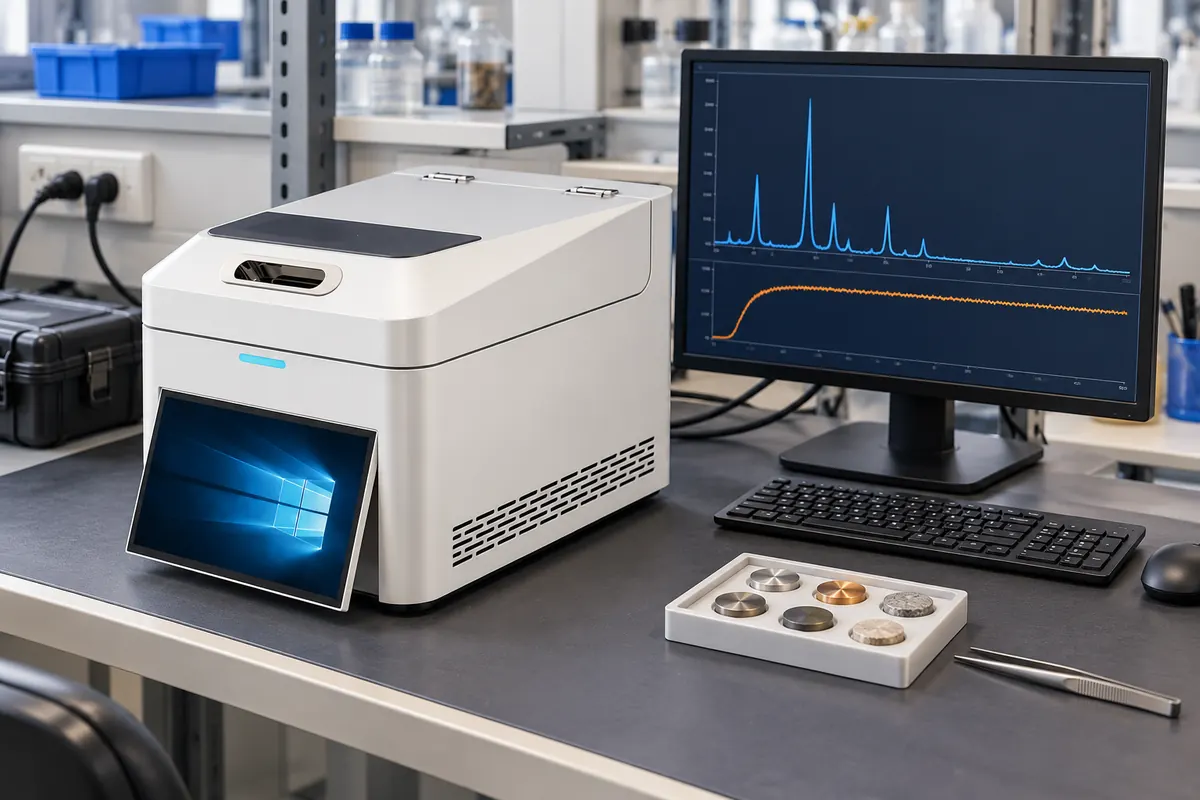
XRF dead time is the interval when the detection and processing chain is busy and cannot accept another event normally. Live time excludes those busy intervals, while elapsed or real time includes them. A very high rate can increase pile-up and lost events; a very low rate can indicate weak excitation, poor sample coverage or geometry. There is no universal best dead-time percentage for every analyzer, so interpret it with the model, method and reference-sample baseline.
Quick answer
| Decision | xrf dead time live time count rate |
| First check | Confirm sample construction, geometry, target elements and the exact business decision. |
| Before quotation | Send clear sample photos with dimensions, daily volume, destination, voltage and reporting needs. |
Separate the three operating values
- Input count rate estimates events arriving at the detector; output count rate reflects events accepted after processing.
- Dead time represents the fraction or interval in which the system is occupied processing events.
- Live-time correction can maintain statistical counting time, but it does not make severe overload harmless.
- Use the software definitions for the specific analyzer because displayed labels and calculations can differ.
Recognize high and low count-rate conditions
- Unexpectedly high rates can produce pile-up peaks, distorted peak shapes or longer elapsed time for the requested live time.
- Unexpectedly low rates can come from incomplete sample coverage, an air gap, thin material, contamination, wrong method or a hardware issue.
- Compare a stable approved reference using the same method, geometry and test time before changing settings.
- Do not adjust tube, detector or high-voltage parameters outside the approved service procedure.
Document a useful diagnostic case
- Save the spectrum, input and output rates, dead time, live time, elapsed time and method name.
- Photograph sample placement and record whether the symptom affects every method or one sample family.
- Compare current reference results with the established baseline and recent maintenance or software changes.
- Send the evidence to authorized support when the baseline shifts or overload remains after normal sample checks.
Practical decision table
| Sample or condition | Action | Reason |
|---|---|---|
| High dead time and distorted peaks | Stop and review method/load | Possible overload or pile-up |
| Low count rate on one sample | Check coverage and geometry | Likely sample-specific |
| Low rate on known reference | Record and contact support | Potential configuration or hardware issue |
| Long elapsed vs live time | Review dead-time behavior | Processing losses extend real time |
Evidence and method boundary
Use the model manual, an approved method and suitable reference materials before making purchase, release or compliance decisions. Technical references include the IAEA XRF instrumentation guidance, Bruker introduction to XRF. These sources explain the method boundary; they do not replace model-specific configuration, laboratory confirmation or local legal advice.
Recommended WiserMachine path
Review WM6000P and compare WMEDS6000T. The exact detector, collimator, calibration, software and reporting configuration must be confirmed against real samples before ordering. You can also browse the complete XRF product catalog.
Related guides
Continue with low-count-rate troubleshooting, XRF test-time selection, spectral overlap and matrix effects, or use the support center for preparation, operation and service guidance.
Diagnose count-rate behavior with the correct evidence
Send sample photos, dimensions, target elements, expected range, daily volume, reporting needs, voltage and destination. WiserMachine will confirm a suitable configuration and freight plan before quotation.
Frequently Asked Questions
What is a good XRF dead-time percentage?
There is no universal value. Use the manufacturer method, expected reference baseline and evidence of stable peak shape and results.
Are live time and real time the same?
No. Live time normally excludes detector or processor busy periods, while real time is the elapsed clock time.
Can high count rate improve precision forever?
No. More useful counts can improve statistics, but excessive rate can increase dead time, pile-up and spectral distortion.